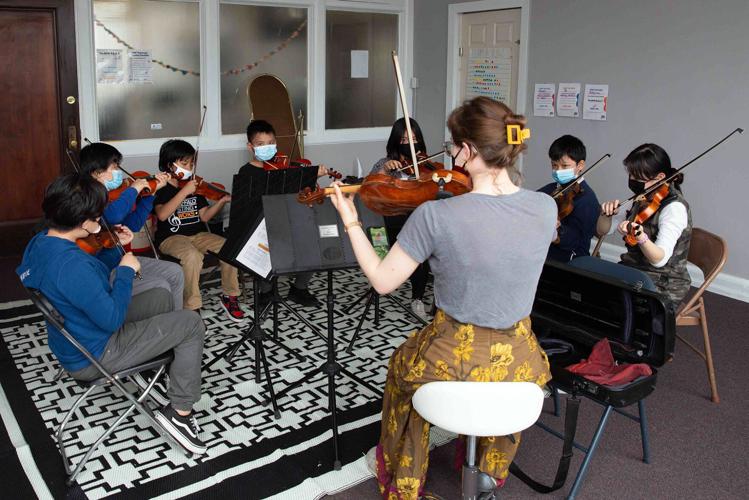
An after-school music lesson at Buffalo String Works goes way beyond teaching kids how to scratch out “Twinkle, Twinkle Little Star” on the violin. It’s a character-building, confidence-inspiring, leadership and social-skills laboratory for young students across Buffalo’s diverse neighborhoods.
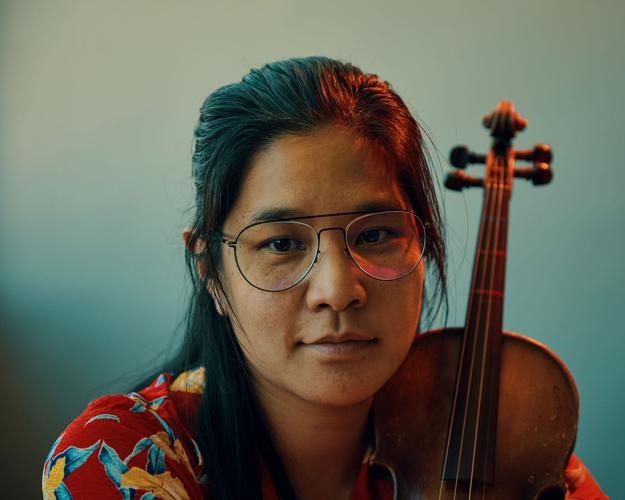
“Our overarching vision is ‘neighborhoods united by empowered young musicians,’ ” says Yuki Numata Resnick, cofounder and executive director. “Neighborhood is an important part of our consciousness. It’s become even more so. We always intended to bring our program to more neighborhoods, and we wanted to do it without creating silos while reducing barriers for families, like transportation and cost.”
Founded in West Buffalo almost 10 years ago, the nonprofit provides after-school music instruction for refugee, immigrant and historically marginalized youth. Classes are free, as are the lended instruments, thanks to support by foundations, state and federal funding, local businesses and individual donors.
People are also reading…

Buffalo String Works offers group and individual classes on violin, viola, cello and bass to students ages 5-18, and can field performing ensembles from over 100 young musicians. Families simply fill out an interest form to get on the wait list (around 65 students long right now for the West Buffalo location).
The nonprofit also just started a new young adults program (18-25) and is piloting two new lesson sites this fall: in East Buffalo’s Lovejoy neighborhood and NativityMiguel Middle School in North Buffalo.
“In addition to bow technique, students learn to be confident verbalizing their ideas,” says Numata Resnick. “And we, as their teachers, learn to understand what they are passionate about, how we can lift them up and help them develop agency, along with musical skills.”

Yuki Numata Resnick, cofounder and executive director of Buffalo String Works.
Over the years, Buffalo String Works has adapted to increase involvement from students and families in the programming, expanded its repertoire to feature more representative music and added a student governance council and other structured leadership opportunities for students.
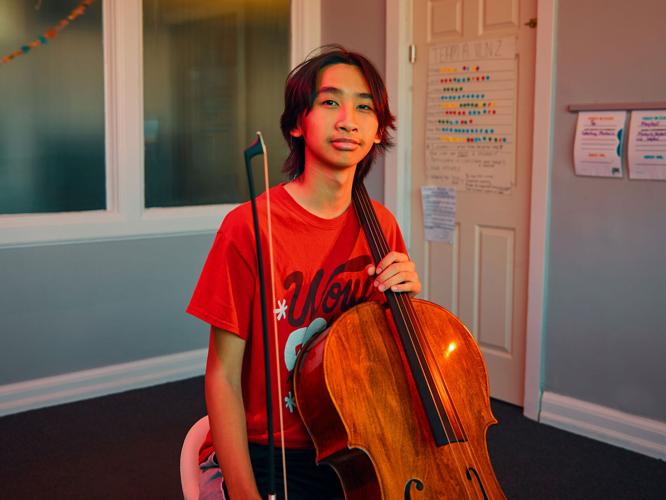
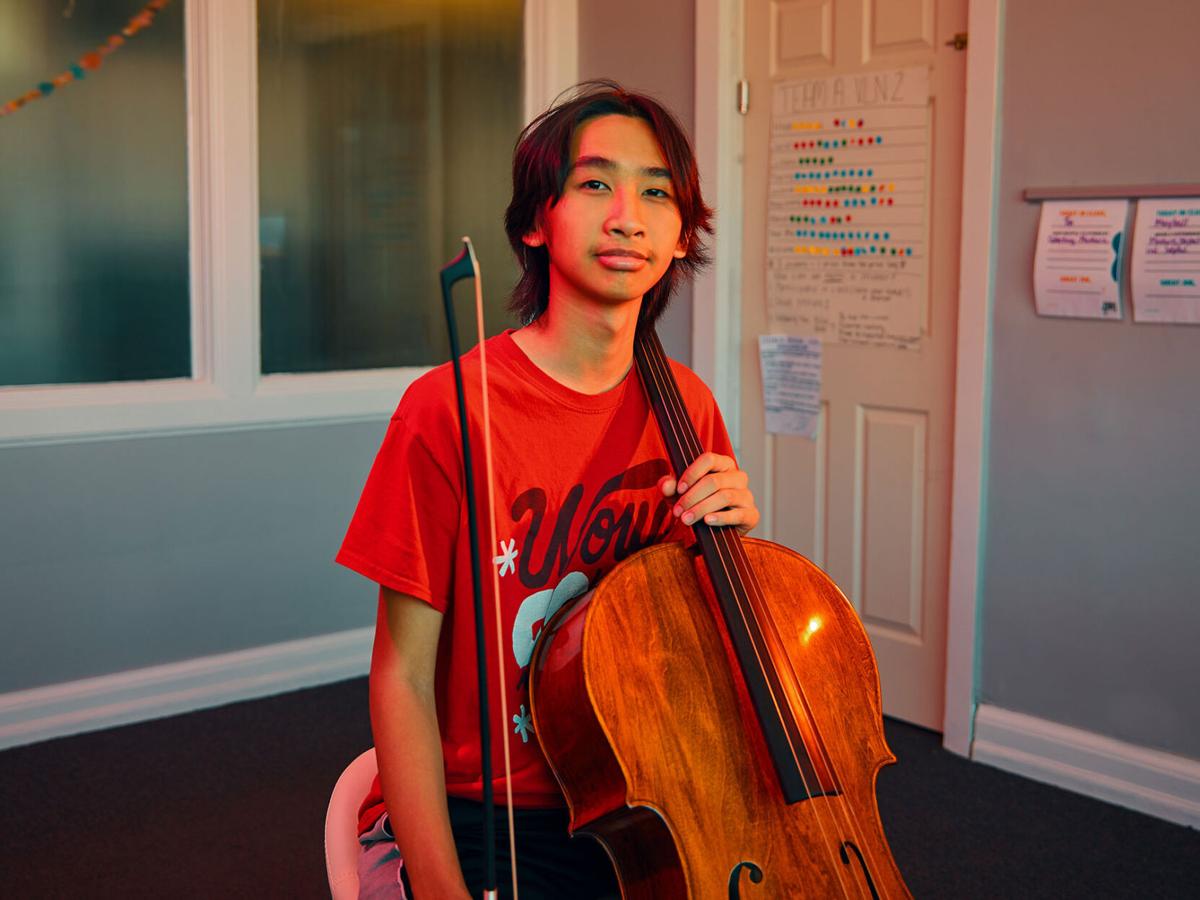
“As part of the council, I enjoy the chance to influence younger people, and also to be a part of making changes,” says William Sen, 16, a member of BSW’s student council and, through his involvement and dedication, also a part-time employee. “I think of the program as a celebration of the different cultures and different people in the Buffalo community, and I’m happy to be involved. I think it represents Buffalo really well.”
Through its Practice Partners initiative, an older, more experienced student is paired with a less experienced, usually younger one. A mentor is also assigned to observe sessions and then talk through the experience with the teaching partner. What went well? What could have gone better?
“Things like playing an instrument, reading music and being part of an orchestra help you in other areas of your life,” says Sen, who came to Buffalo with his Burmese-born parents, and has been a BSW cello student for around five years. “You have to be laser-focused, and practice constantly. Even with failures, you have to keep going. That’s helped me with studying for tests. And playing with an orchestra improves my teamwork, cooperation and communication.”
“We don’t expect that all of our students will pursue music as a profession,” says Numata Resnick. “The skills they learn through their participation, like being part of a team, waiting your turn, having different roles—they will take that beyond the classroom.”