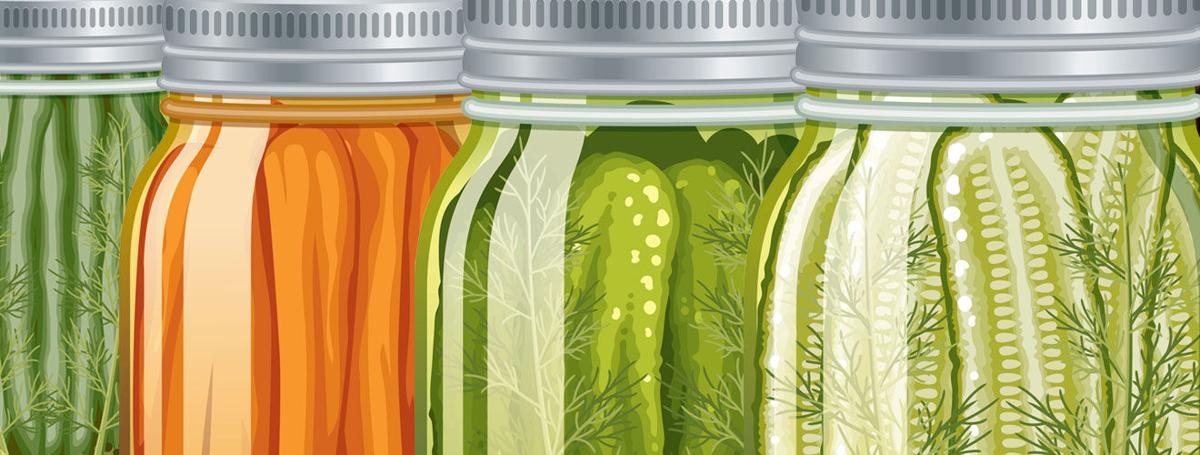
As summer gardens begin to overflow and CSA boxes arrive packed with late-season vegetables, many home cooks find themselves wondering what to do with their abundant harvest.
For RJ Marvin, co-owner of Barrel + Brine on Chandler Street in Buffalo, the answer is simple: Pickle it.
“I worked 20 years in the restaurant business,” RJ says. “A lot of the time farmers would have excess produce or things that maybe they couldn’t sell; my job was to take that produce and preserve it so restaurants had vegetables they could use throughout the winter months.”
While cucumbers may be the first vegetable that comes to mind, RJ encourages people to think beyond the classic pickle. He recommends starting with sturdier vegetables.
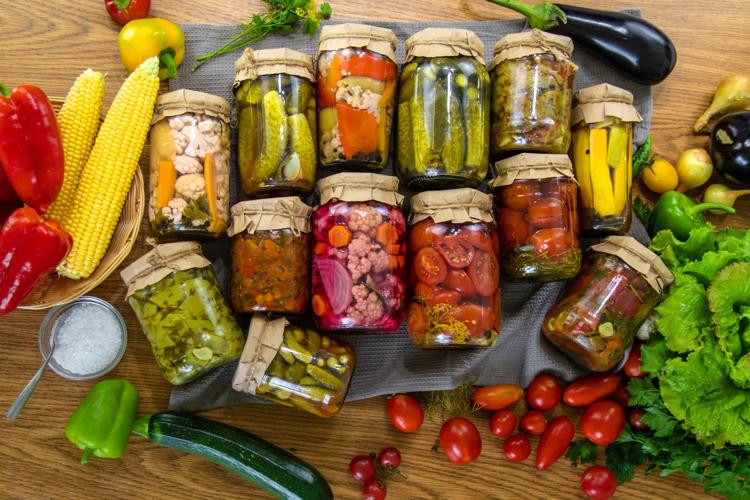
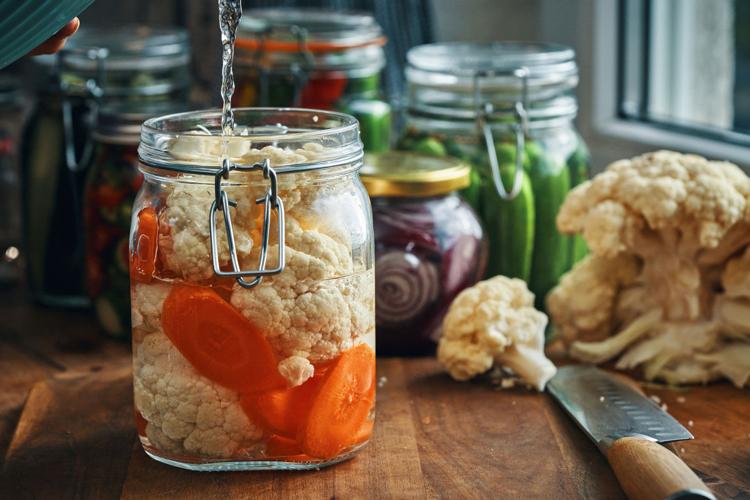
“Root vegetables make fantastic pickles,” he says. “Things like carrots, cauliflower, beets are really nice starters because they’re so hardy that it’s really difficult to get a mushy vegetable at the end of the process.”
People are also reading…
For beginners, RJ says mastering one basic recipe opens the door to endless possibilities.
“One part water, one part vinegar, and salt,” he explains, “once you have that brine, you can start pickling any vegetable, and then you can add any spice to it.”
Patience and restraint are the secret ingredients.
“A lot of people think more is better—that if a teaspoon of dill is good, then a tablespoon is going to be better,” RJ says. “But as pickles sit, those flavors are going to be pulled out into that brine; just let it sit, because the better they become.”
While dill and garlic remain classic additions, RJ encourages home cooks to think beyond traditional flavors and curate tastes specifically to their own palate.
“People can put jerk spice into their pickles, or curry powder; different types of seasonings that you might not typically see,” he says. “It’s really up to a person’s imagination.”

For RJ, pickling is about more than the delicious result; it’s about respecting the time, care and effort it takes for local farms to produce their harvest and doing his part to reduce food waste. He hopes more people will buy locally and feel confident using everything they bring home.
“I want people to make friends with farmers at the farmer’s market and to be less intimidated to grow their own produce or to purchase CSAs, because a lot of the time, they’re worried, ‘What am I going to do with all of this stuff?’”
His answer remains the same.
“Pickling is the best way to utilize it,” RJ says. “When it’s January or February, you can crack open a jar of peaches that were grown in August and have peaches that are still very fresh and utilize that produce.”
While water-bath canning results in longer shelf life, he recommends starting with a “quick pickle” for those making their first foray into pickling. Courtesy of RJ, here’s a simple recipe to get started, as well as a few side dishes to show off your new skills.
Basic refrigerator quick pickles

A simple, endlessly customizable refrigerator pickle recipe, this works with nearly any vegetable, from cucumbers, carrots and onions to radishes, green beans and cauliflower. It is also a great solution for the abundance of kohlrabi often found in late-summer CSA boxes.
No canning is required, just a quick brine and some patience. Makes about 1 quart of brine (enough for one 1-quart jar of vegetables).
Ingredients
Brine
2 cups distilled white vinegar (5% acidity)
2 cups water
2 tbsp. kosher salt (no iodized salt)
2 tbsp. granulated sugar (this is optional, but rounds out the acidity)
Universal pickling spice
1 tsp. mustard seed
1 tsp. dill seed
1 tsp. black peppercorns
½ tsp. coriander seed
1–2 garlic cloves
1 bay leaf
Pinch of crushed red pepper flakes (optional)
Vegetables
Approximately 1–1½ lbs of fresh vegetables, washed and cut as desired.
Directions
In a small saucepan, combine the vinegar, water, salt, and sugar. Warm over medium heat, stirring until the salt and sugar have completely dissolved. Do not boil.
Allow the brine to cool for 10–15 minutes.
Pack the vegetables tightly into a clean quart-sized jar. Add the optional spices if desired.
Pour the warm brine over the vegetables until completely covered. Seal the jar and refrigerate.
Storage
The pickles will have good flavor after 24 hours and continue to improve over the next 2–3 days.
Store refrigerated for up to 1 month. Always keep the vegetables submerged beneath the brine for the best quality.
Now what do I do with my pickles?

Pickles are perfect out of the jar, but for a lot of chefs and home cooks, their acidity helps cut through and balance the richness of a dish. Here are two options:
Roasted potato & pickled cauliflower salad
Ingredients
2 lbs. baby potatoes
1 cup chopped pickled cauliflower
1⁄4 cup diced red onion
2 tbsp. chopped parsley
2 tbsp. chopped dill
Dressing
1⁄4 cup mayonnaise (or olive oil)
2 tbsp. Dijon mustard
1 tbsp. pickle brine
Fresh cracked black pepper
Directions
Roast potatoes at 425°F until golden.
Cool slightly and toss with the remaining ingredients.
Chill, or serve warm.
Pickled Kohlrabi Slaw
Note from RJ: Excellent with pulled pork, burgers, tacos or grilled fish. The fresh, bright acidity of the pickled kohlrabi will help brighten the whole dish.
Ingredients
2 cups julienned pickled kohlrabi
1 cup shredded cabbage
1 carrot, grated
2 tbsp. chopped cilantro
1 tbsp. olive oil
1 tsp. honey
Fresh black pepper
Directions
Toss everything together, and serve immediately.