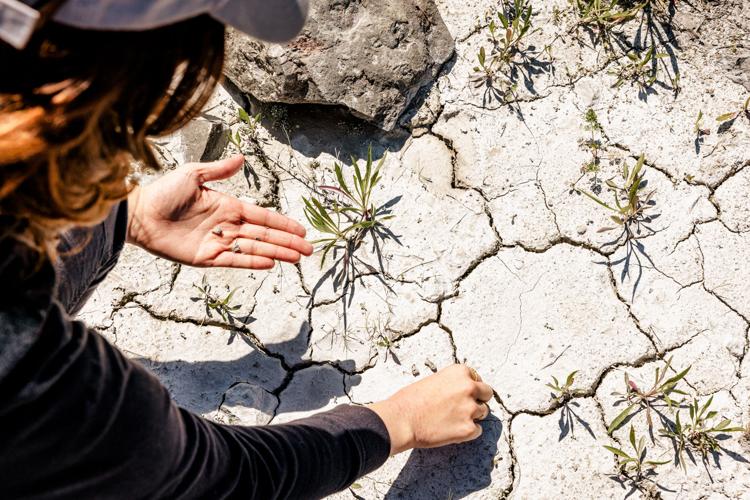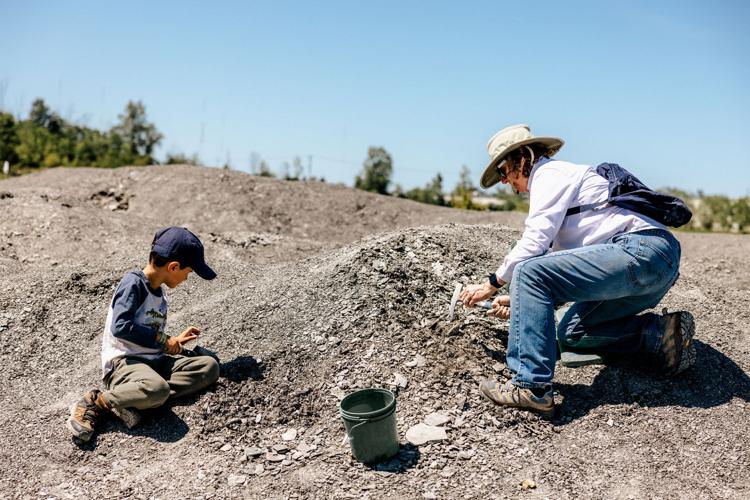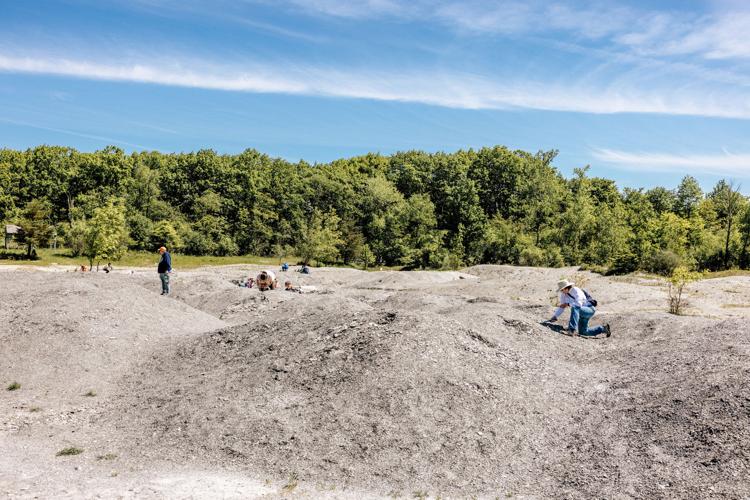
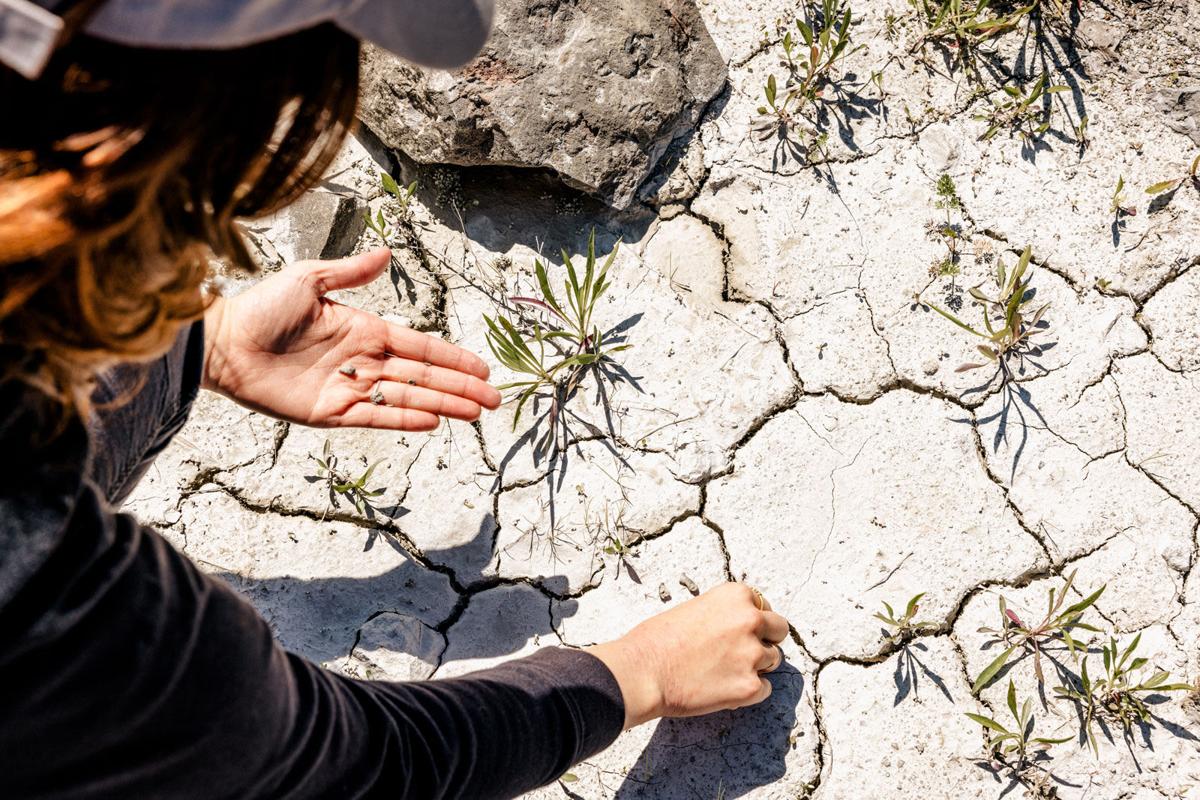
Out at the dig site, dozens of aspiring paleontologists crouch over the rocky landscape with trowels, picks and brushes, carefully scanning the rubble for signs of prehistoric sea life. With thrilling frequency, they snatch fossil specimens from the ground to inspect in the bright sunlight, remarking at the quality of their find.
This scene of scientific exploration isn’t in Montana, the Gobi Desert or Tanzania.
It’s in Hamburg.

Penn Dixie Fossil Park and Nature Reserve is open to the public for fossil-finding and is a top-rated fossil quarry by the Geological Society of America. Some Penn Dixie fossils are in the collection of the Smithsonian. The site is a favorite of local families, school field trips and grown-up fossil afficionados from around the world because of the variety and quantity of specimens.
People are also reading…
“Someone would have to work very hard to not find a fossil here,” says Executive Director Dr. Philip Stokes. “The more you dig, the more you find.”

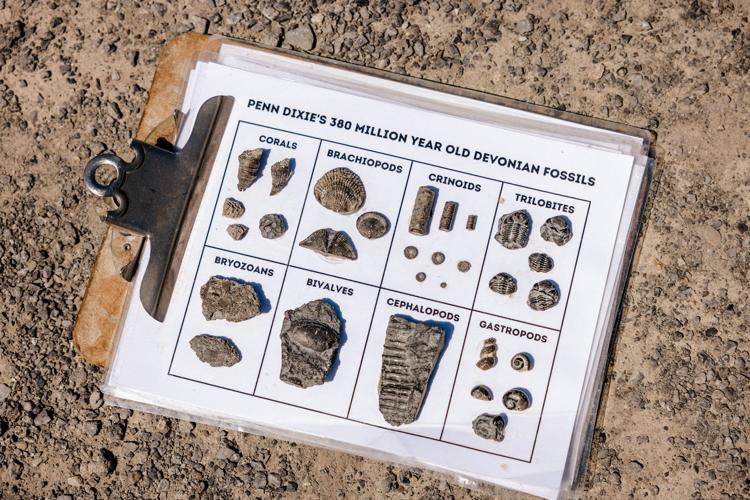
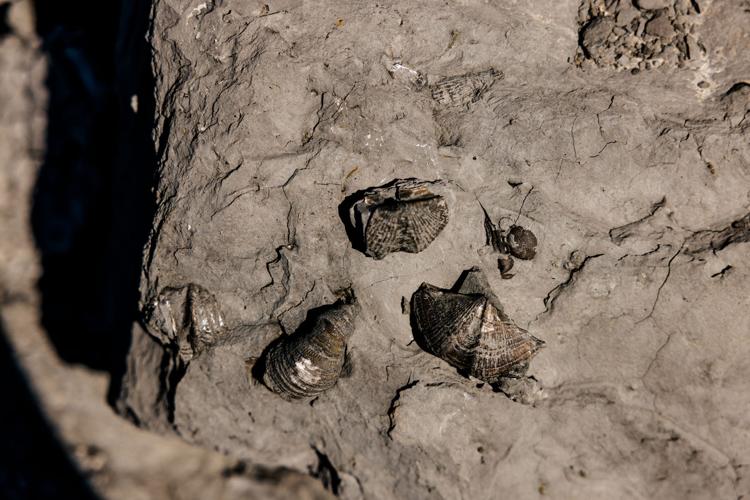
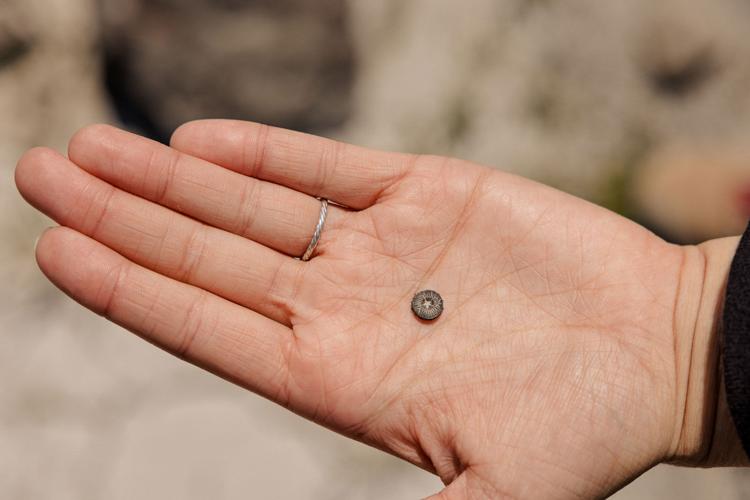
The fossils at Penn Dixie are remnants of a time when Western New York was at the bottom of an ocean. Visitors can find fossilized bits of coral, shells that look like clam and snail cousins, an ancient sea creature called a crinoid or “sea lily,” and perhaps the most sought-after specimen: the trilobite. Akin to a prehistoric cockroach, it’s the official fossil of New York State and the star of the Penn Dixie logo. All flourished in the Devonian period, about 150 million years before dinosaurs.

Every fossil hunter gets a 20-minute introductory tour, small trowel, bucket and fossil identification card. Visitors are allowed to keep all the fossils they find.
But fossils aren’t the only things to find at Penn Dixie. Volunteer astronomers host night sky narrations where visitors can peer through advanced telescopes into the cosmos. Nature trails are popular for quiet walks and wildlife spotting, with programs highlighting topics ranging from owls to edible plants.
“There’s a neat contrast between this ancient sea floor fossil landscape and the modern green forest environment,” says Stokes.

The park is also part of Buffalo’s industrial past. In the 1960s, the Penn-Dixie Cement Company mined the site for stone to make concrete. When the mine closed in the mid ’70s, its abandoned rock piles became a hangout for underaged drinking, target practice, bonfires, illegal dumping and ATV races. But fossil hunters also frequented the spot, drawn by the endless trove of quality fossils strewn across the tailings.
When a proposal to turn the site into a garbage transfer station surfaced in the late 1980s, neighborhood moms fought back. They teamed up with paleontologists to collect letters of support from universities and museums noting the scientific significance of the site and formed a non-profit in 1993. The Town of Hamburg bought and donated the land, and cleanup began.
The Penn Dixie Fossil Park and Nature Reserve opened in 1995—and Western New Yorkers have been getting to play paleontologist ever since.
What to know
Summer Hours:
Wednesday through Sunday, 9 a.m. to 4:30 p.m.
Admission:
$20 for Erie County residents ($25 for out-of-county residents)
$17 for seniors, veterans and students
$15 for children
Amenities:
Port-a-potties, shelters, picnic tables and water for sale
What to bring:
A picnic lunch, sun protection and a light layer for lake breezes