“For Tomorrow, he knew, all the Who girls and boys, Would wake bright and early. They’d rush for their toys! And then! Oh, the noise! Oh, the Noise! Noise! Noise! Noise! That’s one thing he hated! The NOISE! NOISE! NOISE! NOISE!” – Dr. Suess, “How the Grinch Stole Christmas”
The Grinch might have been talking about new toys on Christmas morning, but these days, the cacophony of the holidays seems to infiltrate all aspects of life.
The frenzy of present-buying, event-coordinating, glee-making, decorating and perfecting the holiday season experience that engulfs the months of November and December could overwhelm the jolliest person. For someone who already struggles with this time of year—due to grief, complicated family dynamics, mental health issues or other factors—it can feel downright insurmountable.
However, hope is not lost. Read on for some actionable self-care suggestions that can provide a physical and mental haven from the commercial and cultural barrage that can accompany the holidays.
People are also reading…
Shared understanding
When it feels like nobody else gets it, it can help to seek camaraderie with people who are struggling with similar life experiences. Though they’re not meant to replace clinical mental health care, support groups can provide catharsis and emotional nourishment.
Mental Health Advocates of Western New York offers several drop-in support groups, both in-person and virtual. It also maintains an updated directory of support groups offered throughout Erie County.
Whether you’re dealing with feelings of general anxiety or depression, stress, addiction, loss, divorce, an eating disorder or many other issues, there is a group for you.
Scheduled slow-down
Dulling discomfort with distraction can be a tempting impulse when overwhelmed, whether it’s too many glasses of wine, hours lost to social media scrolling or even just a packed schedule that leaves you too busy to pause longer than a moment or two.
However, diversion is a band-aid when what we really need is an antidote. One suggestion? Lean into the discomfort and prioritize activities that require sitting with a quiet mind. If it comes with a side effect of physical healing? Even better.
Acupuncture is one option. A component of traditional Chinese medicine, the practice involves the insertion of hair-thin needles into certain points on the skin. It can help regulate the nervous system, reduce inflammation and ease pain, and it also necessitates resting quietly and calmly for 30 minutes, something that can be hard to come by this time of year.
Buffalo Alternative Therapies offers a community-priced acupuncture option, available at a pay-what-you-can sliding scale from $15-$40. Its goal is to make the practice accessible to all.
Boosted mind/body connection
Exercise is another surefire way to break out of a negative mindset. It’s less about breaking a sweat and more about accessing the mental release that comes with it.
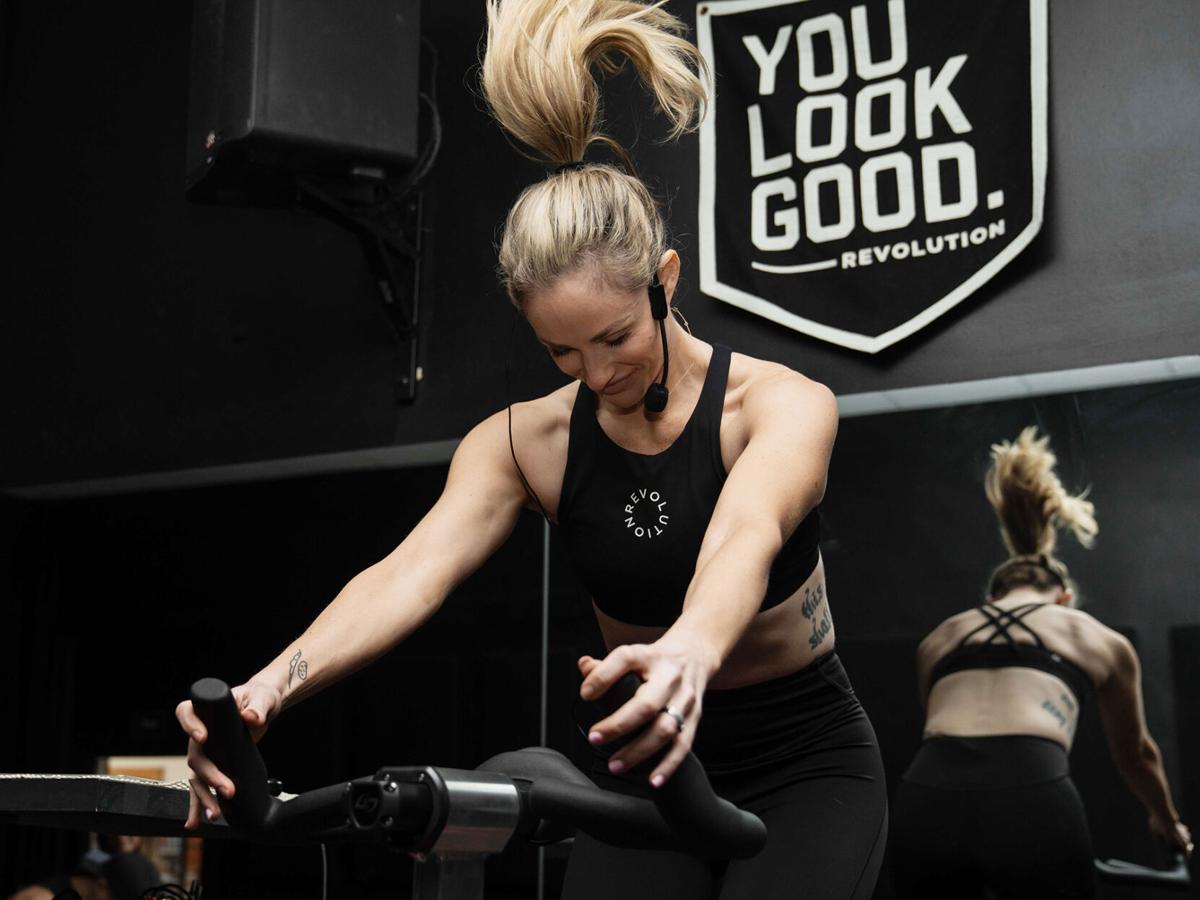
Though indoor cycling can be intimidating to the uninitiated, Amanda Moses Meyers, cofounder of Revolution Buffalo, encourages riders to simply “meet yourself where you are.”
The indoor cycling and fitness studio near Canisus University prioritizes an approachable, supportive culture. The lights go down for classes, helping participants stay centered on their experience rather than judging themselves or each other.
Setting aside dedicated time to focus on your own well-being impacts the rest of your life.
“You can’t give everybody else anything if you’re depleted,” Amanda says. “I think there’s power in being able to just turn everything else off when you’ve got that huge mental load. It gives you the boost you need to get through all the other things ahead.”