
Wearable tech and data-driven fitness. AI-powered personal trainers. Biohacking your body to optimal health.
Some of the biggest fitness trends in 2025 can feel complex, pricey and intimidating. But there’s a counter-revolution happening in the world of high-tech protocols. It’s called rucking, or by its simpler definition, carrying something heavy on your back and walking.
Rucking may have originated in the trenches of military training, where soldiers trained to march long distances with heavy loads of gear. However, its popularity as a fitness trend rose during the pandemic, when people spent more leisure time in nature. Now, it’s landing at CrossFit gyms and hiking trails nationwide.
“Rucking is popular likely for the same reasons as CrossFit, F45 or HYROX, and that’s because it’s typically done in a group setting,” says Dr. Alec Courtney, a registered physiotherapist and owner of Buffalo Performance Physio. “Beyond the powerful impacts of socializing, it helps with accountability: You’re much more likely to skip a solo workout than cancel on friends planning to meet you to exercise at a specific time or place.”
People are also reading…
Strength and conditioning coach Nichele Cihlar, who is also director of training at Florida-based retail company GORUCK, calls the practice “a low-impact, high-reward mode of cardiovascular exercise.”
“It complements a weightlifting regimen because it supports a stronger core, while your leg muscles need to work harder to maintain balance and posture while walking,” she says. “Adding weight to your walks will burn more calories, too.”
The most accessible thing about rucking is that it’s not new to anyone. Whether you’ve walked across the school campus with a book bag, carried your children around or unloaded groceries from your car, you’re moving with weight, and you’ve rucked.
“You can do it anywhere: around your neighborhood, on a beach, trailhead or treadmill. And you don’t need fancy equipment to get you moving, either,” Nichele says. “All you need is a backpack and household objects that can add weight to your sack, like magazines or bottles of water.”
Once comfortable, you can increase your pace, terrain, incline or distance and consider investing in a high-quality rucksack and ruck plates for added weight and challenge.
Though rucking is low impact, the increased weight can increase stress on your bones, muscles and tendons, so you should be mindful before you ramp up your ruck. But the long-term benefits? Pretty priceless.
“It gets you out in nature, sunshine, and with friends—an amazing benefit that’s often overlooked,” says Dr. Alec.
Where to get your ruck on
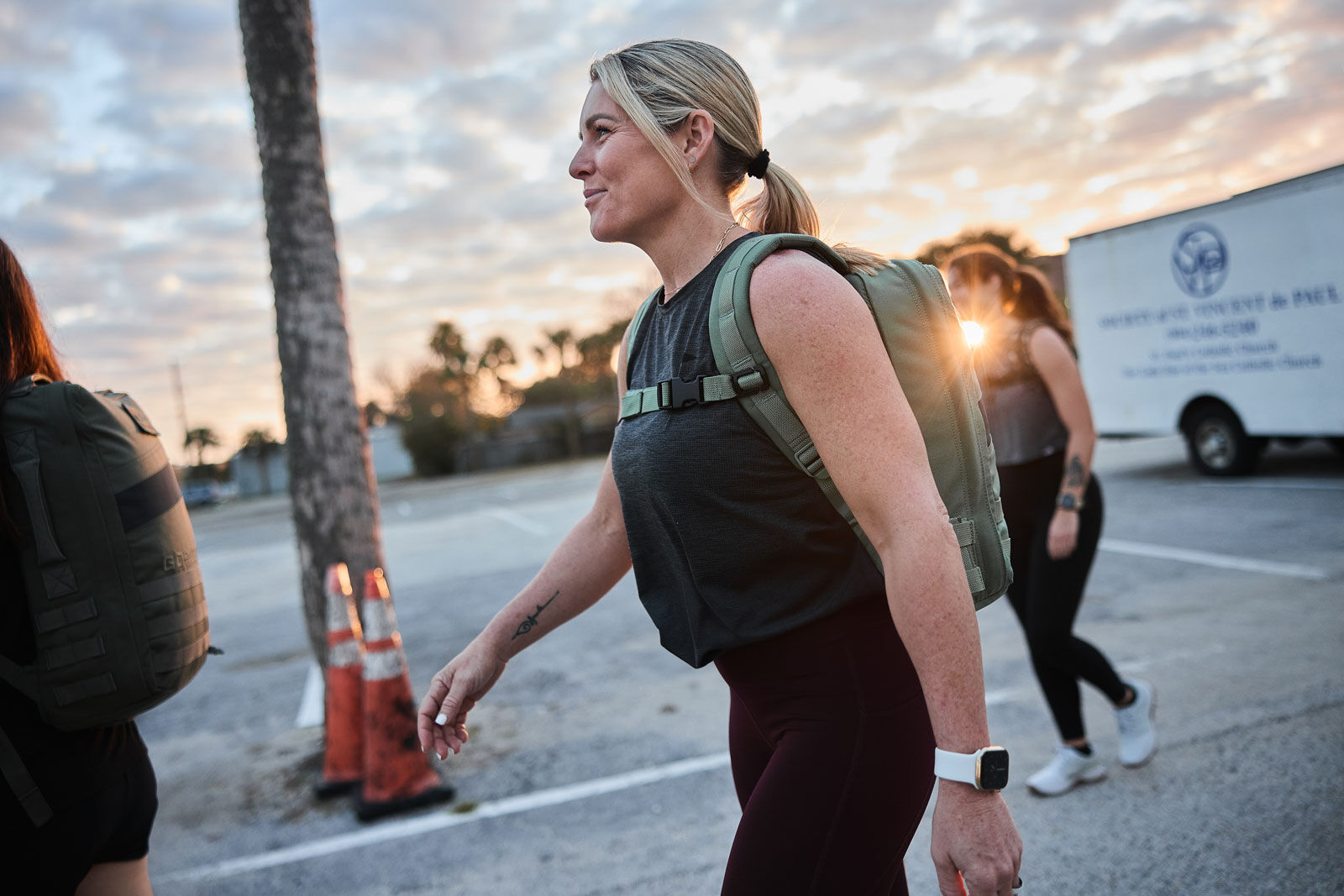
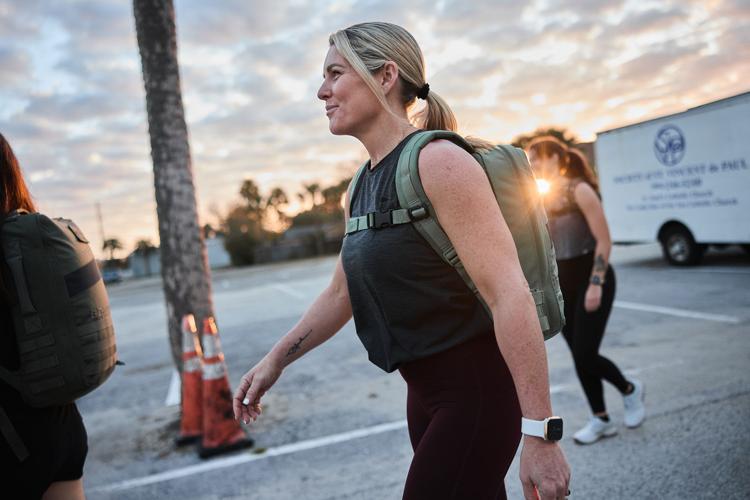
Strength and conditioning coach Nichele Cihlar, pictured here, calls rucking “a low-impact, high-reward mode of cardiovascular exercise.”
Grab your pack and head to these WNY trails for epic views, some incline and those well-deserved bragging rights.
Buffalo
The Tifft Nature Preserve is an urban sanctuary made up of 264 acres of wetlands and expansive forests, with five miles of marked boardwalks and views of the cattail marsh. The trail winds through mostly flat terrain, so this is a great option for beginning ruckers.
Orchard Park
Bring your dog (leashed, of course) for a low-lift four-mile loop in one of the largest county parks in the United States, home to the famous Eternal Flame Falls. You’ll meander through open fields, woodlands, creeks and a few easy rolling hills for good measure.
Letchworth State Park Gorge Trail
Portageville
A 13.9-mile out-and-back trail in Wyoming County offers scenic routes for all levels, from easy walks with overlooks to more challenging hikes through the gorge. Follow the stunning terrain around the Genesee River and pass two magnificent waterfalls before hitting the “Grand Canyon of the East,” where the river has carved a gorge through the middle of the park that is as deep as 550 feet.