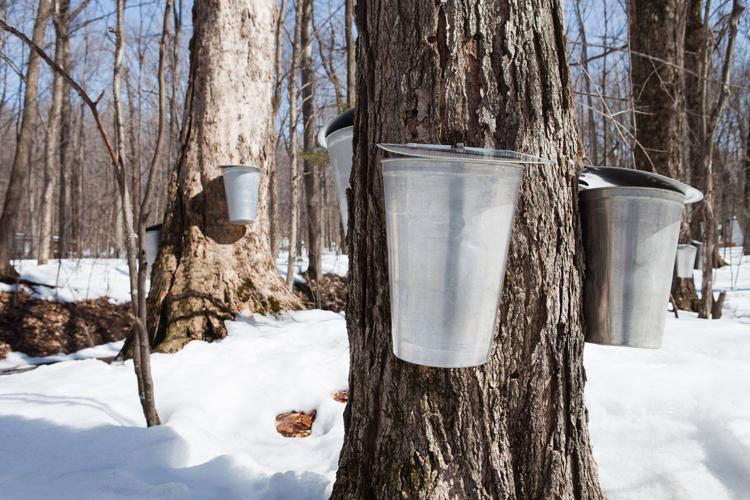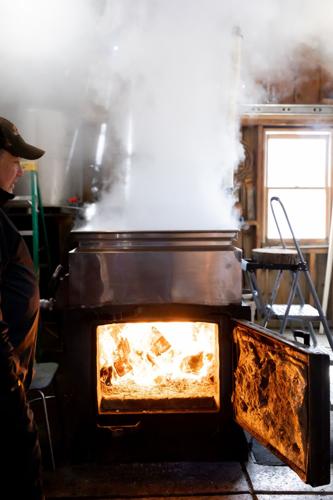
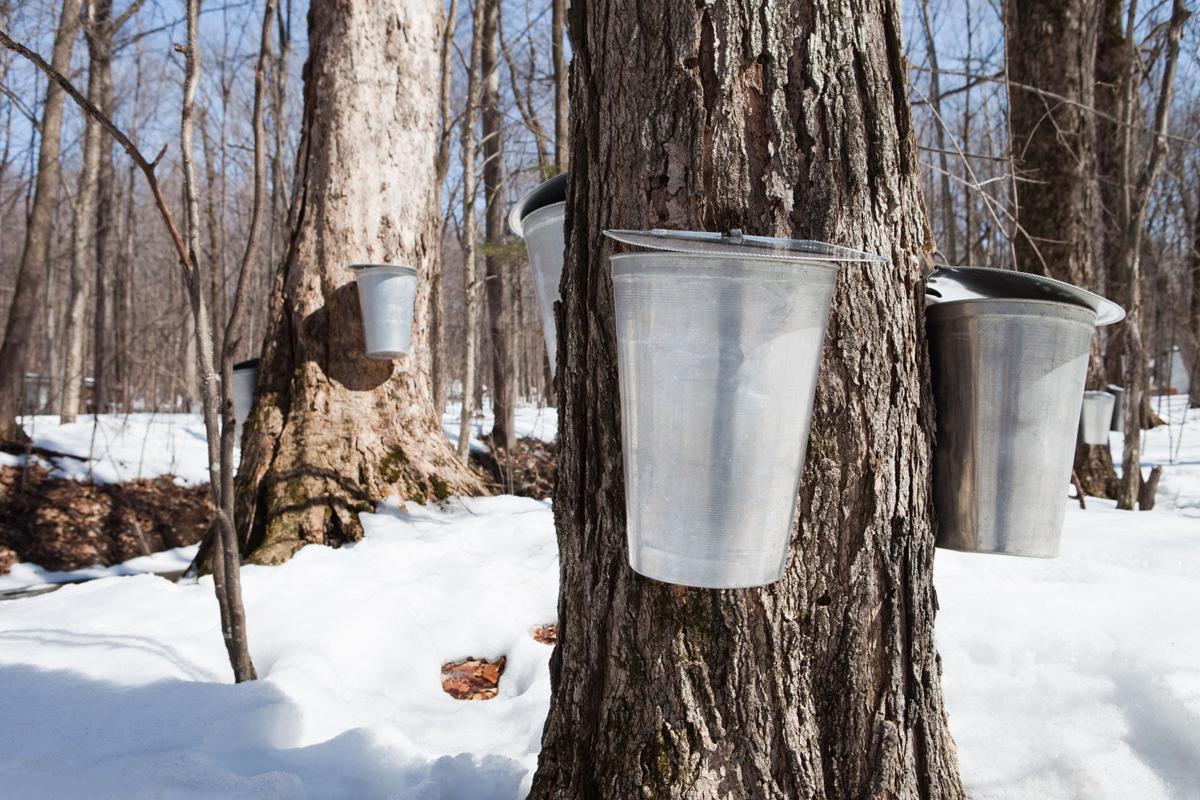
Amid brisk and breezy weather, Western New York farmers are busy with a singularly sugary harvest. Through late winter into early spring, they’re tapping maple trees and collecting sap that will be boiled down into pure, sweet syrup. And they’re getting ready to share the process with visitors.
“Maple syrup is the first agricultural crop in New York, produced at the start of the year,” explains Carl Smith. He and his wife Bridget run Smith’s Maple Farm in Hamburg. Along with producers across the state, they’re eager to welcome guests of all ages for Maple Weekend. This year, the event is taking place the last two weekends of March.
“You get to interact with the local community,” Carl says. “You get to show them the products that you make, let them sample it and build up rapport. They get to see where they’re getting their food, from farm to table.”
People are also reading…
From its start as Maple Sunday with a few Wyoming County sugar houses in 1995, the celebration has grown to include four days of festivities across New York every March. Visitors are able to observe syrup production firsthand, enjoy farming-related activities and try delicious, locally made treats.

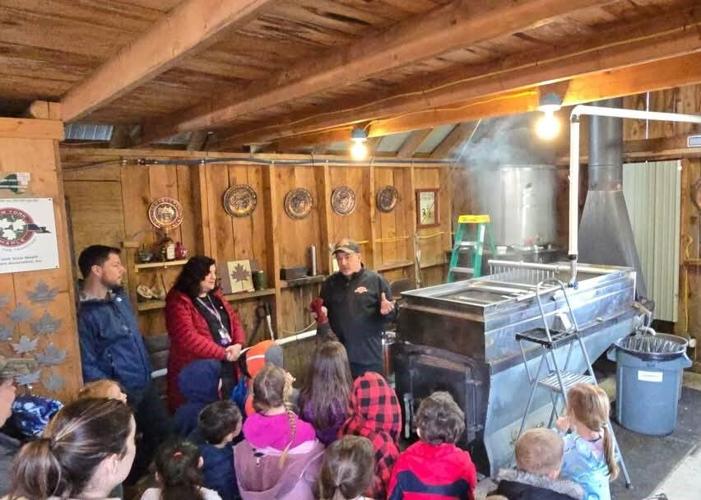
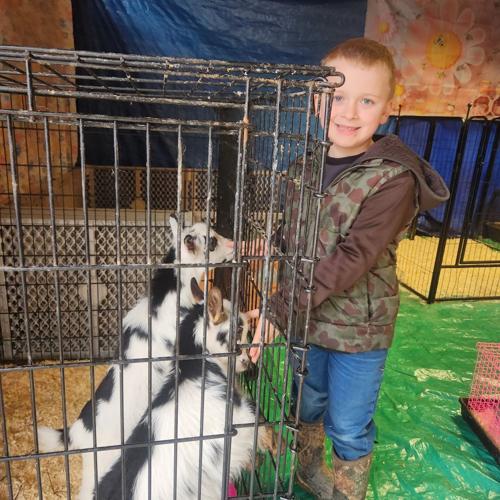
Activities at Smith’s Maple Farm in Hamburg during Maple Weekend 2025 included a first-hand look at syrup production as well as wood branding, a petting zoo and more.
A map of participating sites, listing of pancake breakfasts and answers to common questions are available at mapleweekend.com. The New York State Maple Producers Association organizes and sponsors the observance, with funding from its members and the State Department of Agriculture and Markets.
Each maple farm is unique. Some operations are relatively small, with simple buckets hanging from trees across a couple acres and a tiny sugar house. Larger farms may focus on increasing their yield with vacuum tubing lines to thousands of maples, reverse osmosis units and energy-efficient boilers. Maple Weekend guests can see the systems in action, talk with farmers and learn about the factors that influence the colors, flavors and amount of syrup each year.

Carl recommends wearing boots and warm clothes in layers: A trek through the woods can be muddy and chilly, while a sugar house with boiling sap gets humid.
Syrup takes center stage, but many producers host additional activities. Smith’s Maple Farm welcomes Scout Troop 1910, whose members demonstrate tree tapping and wood branding. Chainsaw artists Catherine and Robert Ward of Living Logs come by to create carvings, while a temporary petting zoo is popular with youngsters. Family and friends pitch in to prepare items for sale and get ready for hosting as Maple Weekend approaches.
“There’s a lot of work that goes into it,” Carl acknowledges. “Whether we’re making maple-coated nuts or packaging maple candy, it’s a busy time getting everything organized and putting on a good presentation to the public.”

Carl’s interest in maple syrup led him to work on a sugarbush in the Adirondacks in the 1980s. He’s seen harvesting techniques become more efficient over the years, while maple farmers have expanded their offerings to include maple barbecue sauces, coffees, cotton candy and more. The Smiths also keep bees and recently branched out to birch syrup.
“Our customers have been sensational,” says Carl. He’s thankful for the support of the community and appreciates visitors’ curiosity. “People come in and taste some syrup, and we give them a progress report on how the season is going and how many gallons we’ve made.”