In Buffalo, we are nothing if not practical; it’s in our collective genetic make-up. Food, though — that’s one thing we can indulge in. Unlike designer shoes or expensive cigars, food is a basic human need.
Maybe that’s why food is so big in Buffalo: it’s a socially acceptable luxury. When it comes to food, we are all in.
We love talking about it, taking pictures of it, Facebooking about it, and, of course, consuming it. In Buffalo, food is a form of entertainment; a means to an end for a Friday evening or lazy Sunday morning.
But three meals a day (plus treats and snacks) is a lot of real estate to fill. Variety is essential. The new, fun and different are a welcome change to the thrice-daily feeding routine.
Which brings us to what’s trending in WNY.
Exotic ingredients
People are also reading…

Bone marrow, pig’s ear and rabbit. Not your standard Buffalo fare, but unusual ingredients seem to be popping up on local menus more regularly these days. And in a town that’s relatively conservative, they stand out.
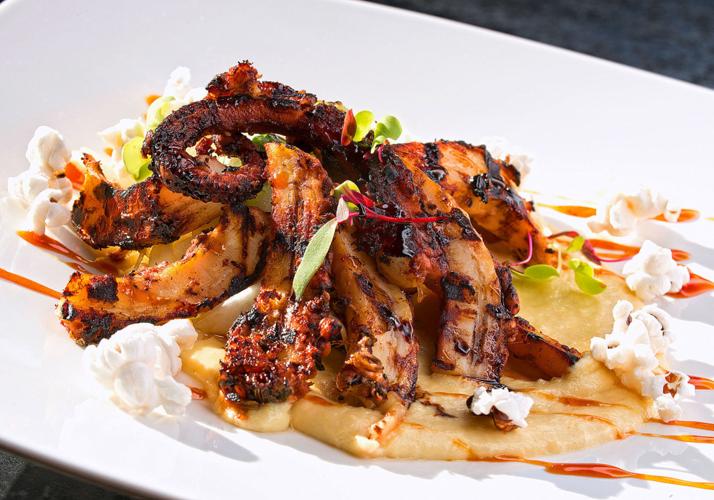
One of Buffalo’s newest restaurants, Black Swan Lounge on Elmwood Avenue, got plenty of press — and raised eyebrows — when it opened in March, based on its non-traditional menu items like beef tongue, grilled octopus and rabbit & waffles.
That wouldn’t be a news story in many cities. But here, they still stand out. Black Swan’s chef, Maurice Tossah, is looking to change that.
“I didn’t want to do a scallop,” said Tossah, who sees a lot of the same dishes and ingredients on menus across the city. He wants to differentiate Black Swan, using modern techniques to make unusual ingredients like beef tongue appealing.
“Treated right, it can be the best thing you ever tasted,” said Tossah.
The list of unusual ingredients doesn’t stop at food; cocktails may seem just as foreign if you haven’t ventured far beyond your local tavern lately.
On the more creative cocktail menus across Buffalo, you’ll see ingredients like egg whites, basil, maple syrup and fig bitters. Not your typical shot-and-a-beer.
At Ballyhoo, on the edge of downtown in the First Ward, owner Tim Stevens is known for making cocktails from homemade jams – yes, the stuff your grandmother used to make. Although unique, Stevens maintains it’s really not all that exotic — it’s simply a nod to the past, when cocktails weren’t made from artificially flavored spirits and mixers.
“We forget where things started,” said Stevens, one of a handful of local bartenders who are changing the way we think about cocktails (see story on page 24).
It's also about how cocktails are prepared, said Cantina Loco bartender Michael Stanley, a cerebral sort who is pursuing a doctorate in geography.
"You have to care about it, like it's a work of fine art," said Stanley. "Never forget you're working in an art gallery."
He likens his bartending duties to that of a sommelier.
"I specialize in quickly figuring out what people will enjoy, or will probably enjoy, and delivering it." He'll often invent drinks on the spot. "Your cocktails should always be like giving a beautiful gift," Stanley added. "People trust you, so you have to do a good job."
Single-concept eateries

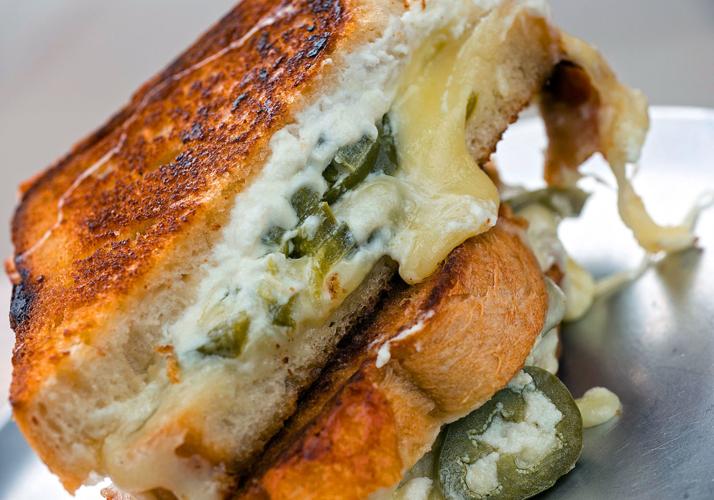
First came the cupcake shops. Since then, Buffalo has seen more single-concept eateries roll into town: Melting Point, a restaurant on Allen Street devoted to grilled cheese; Dog É Style, the specialty hot dog joint on Genesee Street; and no less than three planned French-fry restaurants: Just Fries on Genesee Street, Get Fried at the Walden Galleria and Allen Street Poutine Company, which opened last month.
What’s the food hyper-focus all about?
Matt Yuhnke of Melting Point, who offers 12 variations on the classic grilled cheese sandwich, says focusing on a single item isn’t about being trendy or gimmicky – it’s just about serving good quality food.
“I liked the idea of taking a singular product and playing around with it, putting a lot of care and time into it,” said Yuhnke, whose list of grilled goodness includes variations like brie, gouda and cheddar with carmelized onions and Granny Smith apples. “When you get a one-page menu, everything is going to be great.”
Tom Cowan, owner/operator of Dog É Style downtown, agrees.
“Too large of a menu can be confusing,” said Cowan. “People like to choose from a few select items that are really good.”
At Dog É Style, the meat make-up varies, as do the toppings. The restaurant worked with Wardynski Meats to develop a lamb dog for a Greek version and a special spiced sausage for its Banh Mi dog. Other menu items include a beef-on-weck dog, a Nola dog (topped with olive salad and oysters) and a Fat Duck dog, topped with foie gras.
Cowan suggests that the number of single-concept places opening might have something to do with the popularity of food trucks; customers have become accustomed to choosing from limited (but trusted) options. It also helps that their prices are mostly between $4 and $6.
“We wanted to give people a great option for cheap eats,” said Cowan.
Wood-fired pizzas
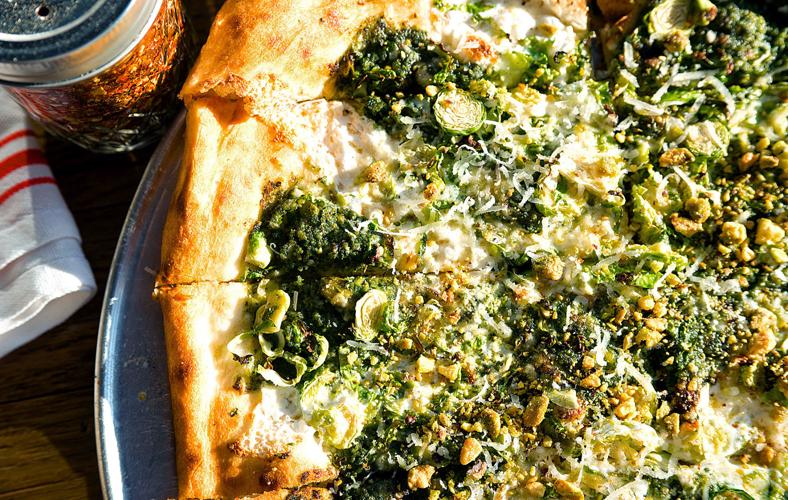
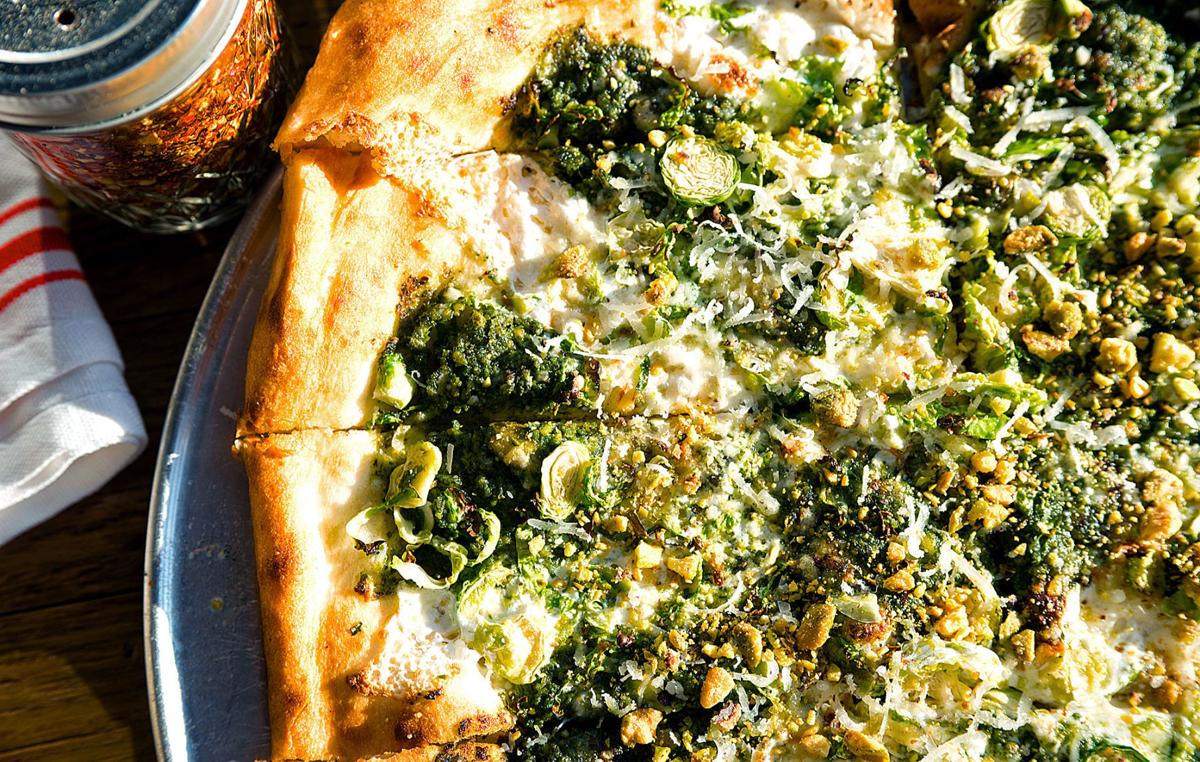
For some — especially die-hard Buffalonians used to doughy, greasy traditional WNY pizza — the thin varieties emerging from a growing number of local brick ovens is hardly pizza at all.
But for a growing legion of fans, it’s divine. And judging by the numbers, it’s a big trend.
“The Rocco’s people were pioneers,” said David Perri, owner of Pizza Amore in Grand Island. He’s referring to early brick oven offerings by the restaurateurs who owned 800 Maple, Siena and now Rocco’s Wood Fired Pizza in Clarence.
Then along came Elm Street Bakery in East Aurora, Vera Pizzeria in the Elmwood Village, Brick Oven Bistro in South Buffalo, Romeo and Juliet’s (four locations) and the latest to open: Hydraulic Hearth in Larkinville.
Harry Zemsky, the owner of Hydraulic Hearth, explained that his decision to focus on brick oven pizza was about creating a communal experience.
“Pizza is meant to be shared,” said Zemsky, explaining that this thin-crusted specialty pizzas are a good complement to the local craft beers he also offers. “Regular pizza is a little too filling.”
It’s a concept that, for Zemsky, was inspired by his travels. “My friends and I would always go to a brick oven spot in Vermont,” he said. “We’d have beer and great pizza. And no one spent much more than $20 per person.”
(Even more) locally-sourced food
In the past five years there’s been a surge of WNY restaurants using ingredients from local farms — and telling us so on their menus. Whether it’s organic chicken from Oles Farms or veggies from Thorpe’s, progressive restaurants like Merge, Tabree, CRÄVing and Carmelo’s have long been putting their menus partly in the hands of local farmers.
Not only do restaurants get a fresher product that tastes better, said Lisa Tucker of Field & Fork Network, they are also helping support the local economy. Customers benefit from both.
Now Tucker is hoping to take the farm-to-table movement to even more tables across WNY.
The organization’s newest initiative is the formation of a Food Hub designed to give larger institutions like hospitals, schools and grocers easier access to the same local farm goods.
“Ninety percent of farms in New York state are small, and don’t have current capacity to sell to larger institutions,” said Tucker. A Food Hub will give these institutions a convenient and efficient way to buy locally produced food, she explained.
“[Restaurant] chefs are more nimble,” Tucker said, explaining that larger institutions have stricter standards for quality control and demand larger volumes. The Food Hub, by acting on behalf of multiple farms, could remedy that. Plans are currently in the works to get it up and running by the end of the year.
Cafeteria food may never be the same.
Food trucks off-roading
Food trucks, the uber-trendiest of food trends in WNY over the past two years, are now creating a trend-within-a-trend: many of them are opening as brick-and-mortar restaurants.
No less than five local restaurants that started out as trucks — R&R BBQ (Elma), Pizza Amore (Grand Island), Greek on the Street (Kenmore), Black Market Food Truck (Buffalo) and Lloyd Taco Truck (Buffalo) — are either open or scheduled to open soon.
It’s not necessarily premeditated. That’s true in the case of Pizza Amore, which began selling wood-fired pizzas in 2011 from its customized trailer, then opened a permanent location in 2012.
Owner David Perri explained how he was approached by a customer at a winery event he was catering. The customer loved the pizza, said Perri, and owned a vacant building in Grand Island. “He made me an offer I couldn’t refuse,” Perri said.
But success as a food truck doesn’t always immediately translate to its brick-and-mortar brethren.
“Wherever we go, we have lines,” said Perri. “But just because you open a restaurant doesn’t mean instant success.”
It also doesn’t mean giving up the truck, which is often even more profitable for food businesses. In fact, Pizza Amore added a second truck when Perri realized he was turning down approximately $20,000 in business per month during the busy summer season.
The owners behind Black Market Food Truck — one of WNY’s most beloved eateries on wheels — will open their brick-and-mortar concept on 112 Genesee Street in late May. Called Marble & Rye, the restaurant will have a totally different concept than the truck; it will focus on rye whiskies and a more sophisticated menu that will rotate seasonally.
Opening a restaurant was their goal from the beginning, but launching a truck came with fewer barriers to entry and allowed owners Christian Willmott and Michael Dimmer to build their nest egg to fund the restaurant. Along the way they also built a loyal following.
Fans of Black Market food should not despair, however; the truck will remain on the road, said Willmott, with a new staff trained to man it.
“Customers shouldn’t notice any difference at all.”