Nothing exists in a vacuum. As Black people in America, we live in a white supremacist society. Our experiences take place through the lens of living in a society whose foundation holds the remains of our enslaved ancestors. We are policed by a system that evolved from slave catchers. We live in neighborhoods that were systemically cut off from others, thrown away like a bad thought to fend for ourselves. We go to systemically underfunded schools and shop at stores that are systemically understaffed, understocked and under prioritized. These systems perpetuate a community that lives in poverty, with just enough resources to barely stay afloat. To keep us alive enough to contribute our labor, to work ourselves into an early grave.
With all of these systems created against us, to ensure our misery and platitude, to beat us down until we submit, we survive. In the face of lack, we bridge the gaps.
People are also reading…
Community is supreme. Mutual aid, resource sharing, block clubs, Sunday dinners, cookouts, grocery runs and jitney cabs. We know that when the people in power leave us to fend for ourselves, or when local government fails to help us, we got us. We lift each other up. We build each other back up to fight the oppressive systems, to see another day, even though we’re tired from the fights of yesterday.
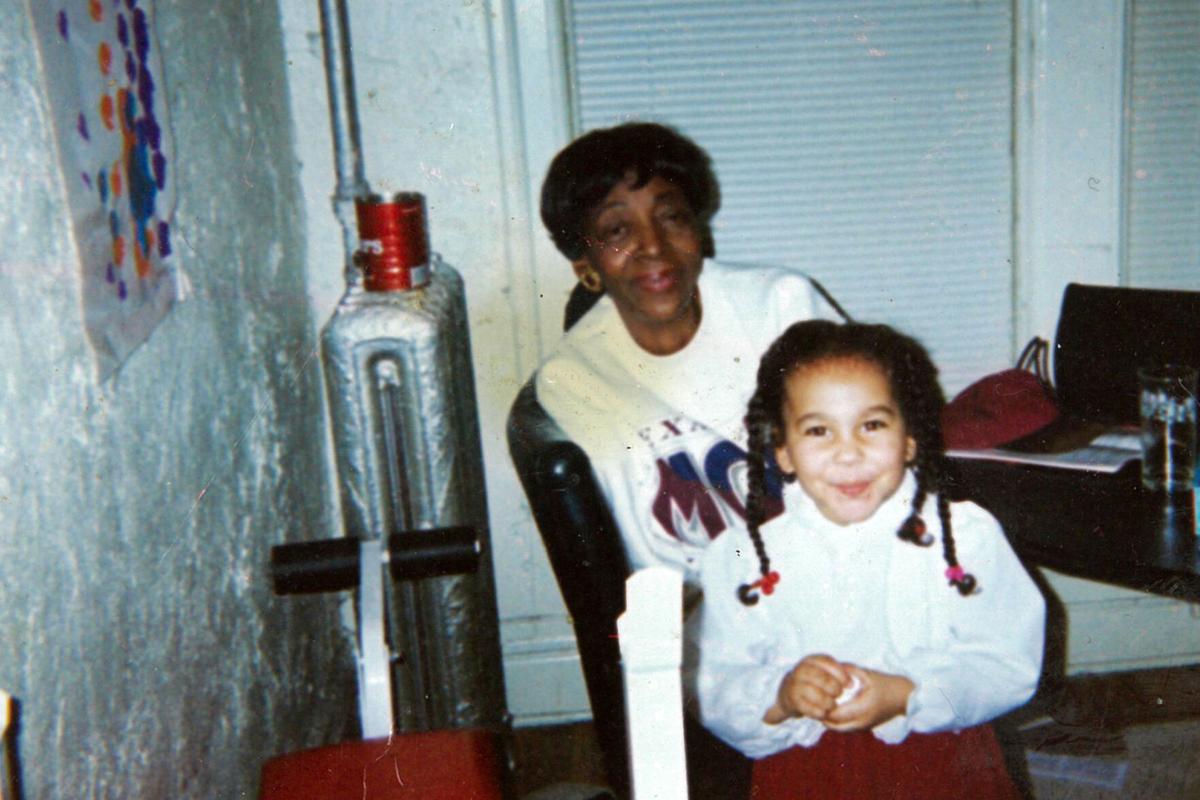
We make the best of our circumstances—like living in a food desert and only having one grocery store for miles. The appearance of which, in 2003, I can still remember as an 11-year-old girl, my grandma Betty’s joy at the prospect of a grocery store five minutes away. A grandmother whose house that resided between Best and Timon streets was a safe haven, and whose Sunday dinners could cure anything.
The grocery store became a part of our weekend traditions of taking a cab there and taking as long as we needed to find the freshest greens, turkey legs and sometimes pie. Never having to worry about how we’d get back home since there were always a few jitney cabs around to take us and help us get the groceries inside.
The grocery store continued to be a community staple over the last 18 years, even as it became less of a reprieve from the lacking systemic conditions outside. The grocery store was a sitting duck when a white supremacist terrorist decided to enact a hate crime against Black people, strangers, who he blamed for his woes. He doesn’t matter. He is nothing. We don’t let him win.
We instead celebrate the lives of those taken from us too soon.
We mourn them and grieve with our community. We pay tribute to them by getting up every day and choosing to see a way through. To continue to exude their love, compassion, thoughtfulness, humor, empathy and passion for love. To use the skills we’ve developed for decades to rebuild and choose hope. To choose change.
What do we do today, tomorrow, next month or next year? We continue to sow the seeds of community and fight against the systems that allowed for this tragedy to happen—and whose complacency we will no longer allow. Our voices are louder now. Our protests are growing. Our resolve is stronger. We see a path forward and are going to take it.
And in the words of the great poet Gil Scott-Heron, “The Revolution Will Not Be Televised.”
Are you ready to choose change?
Tiffanie Woods is a writer, podcaster and social media strategist who approaches her work through a DEI lens. To read more of her work, visit tiffaniewoods.com.