It’s hard to imagine a world without Popeye, Betty Boop and Superman.
These characters are fixtures in our culture. We see them on umbrellas, coffee mugs, bumper stickers and even on arms and legs, as tribute tattoos. They’re so ubiquitous in our daily lives that it feels like they’ve always been here and always will be. But that’s not completely true—Someone had to bring them to life, and others had to keep their legacy alive.
Breaking ground
In the beginning, there was Max Fleischer. He co-founded Fleischer Studios with his brother.
“From 1919 to 1942, he produced nearly 700 cartoons,” says Max’s granddaughter, Jane Fleischer Reid. “Among his numerous contributions to the animation industry, he created the rotoscope, which allowed animators to trace over motion picture footage, frame by frame, to produce more realistic action.”
People are also reading…
This is around the same time a certain Chicago native by the name of Walter Elias Disney was starting a studio with his brother. While the mouse in red shorts may have his own theme park, there is no denying Fleischer’s lasting impact on animation. (If you’ve ever sang in karaoke and followed the lyrics by watching a bouncing ball go from word to word, that’s another Fleischer invention.)
These groundbreaking methods are on full display in his animated shorts. But because the original films had changed hands several times, some elements were lost to wear and tear.
“There was no one single location where all the cartoons could be found,” says Jane. “Anyone wanting to see these films had to search all over the internet for a very poor-quality reproduction.”
Buffalonians to the rescue
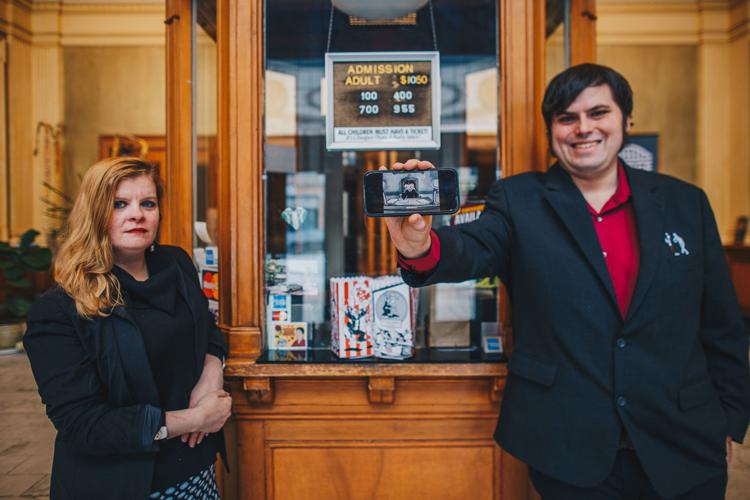
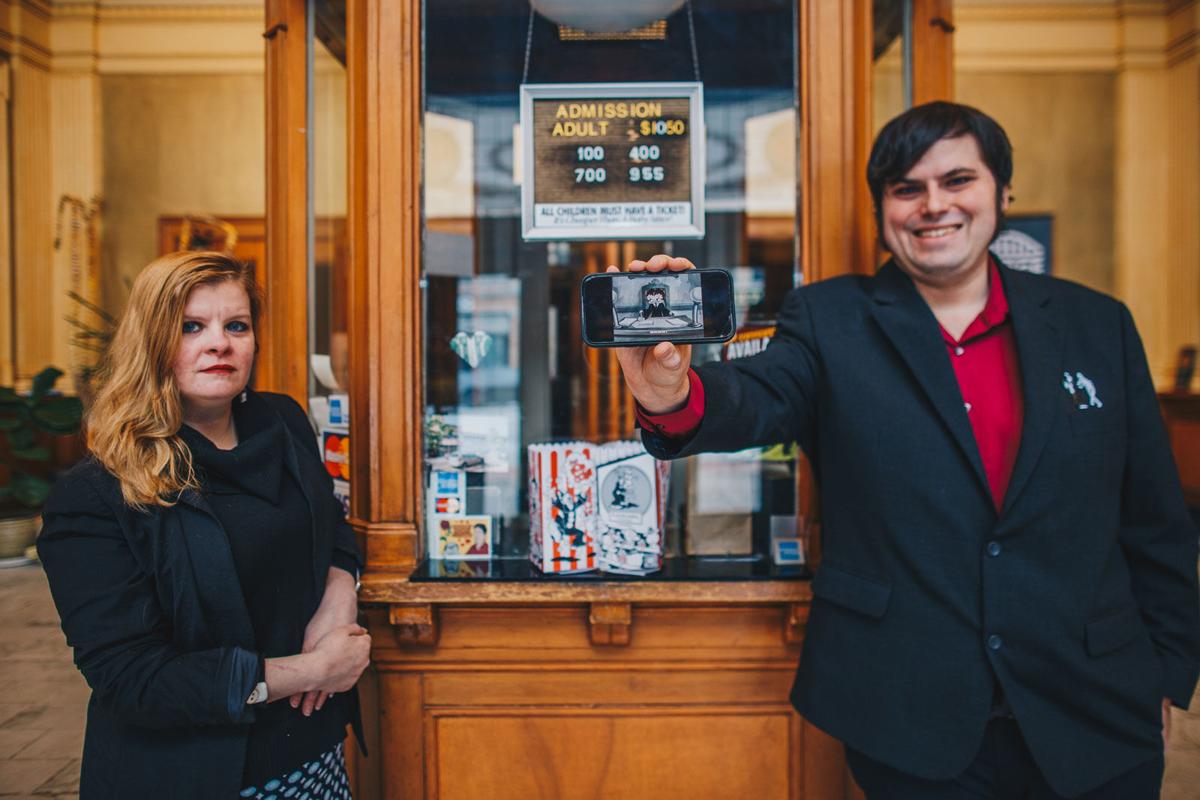
Jane felt compelled to preserve these cartoons. She founded Fabulous Fleischer Cartoons Restored and enlisted film restoration artists right here in Buffalo to help.
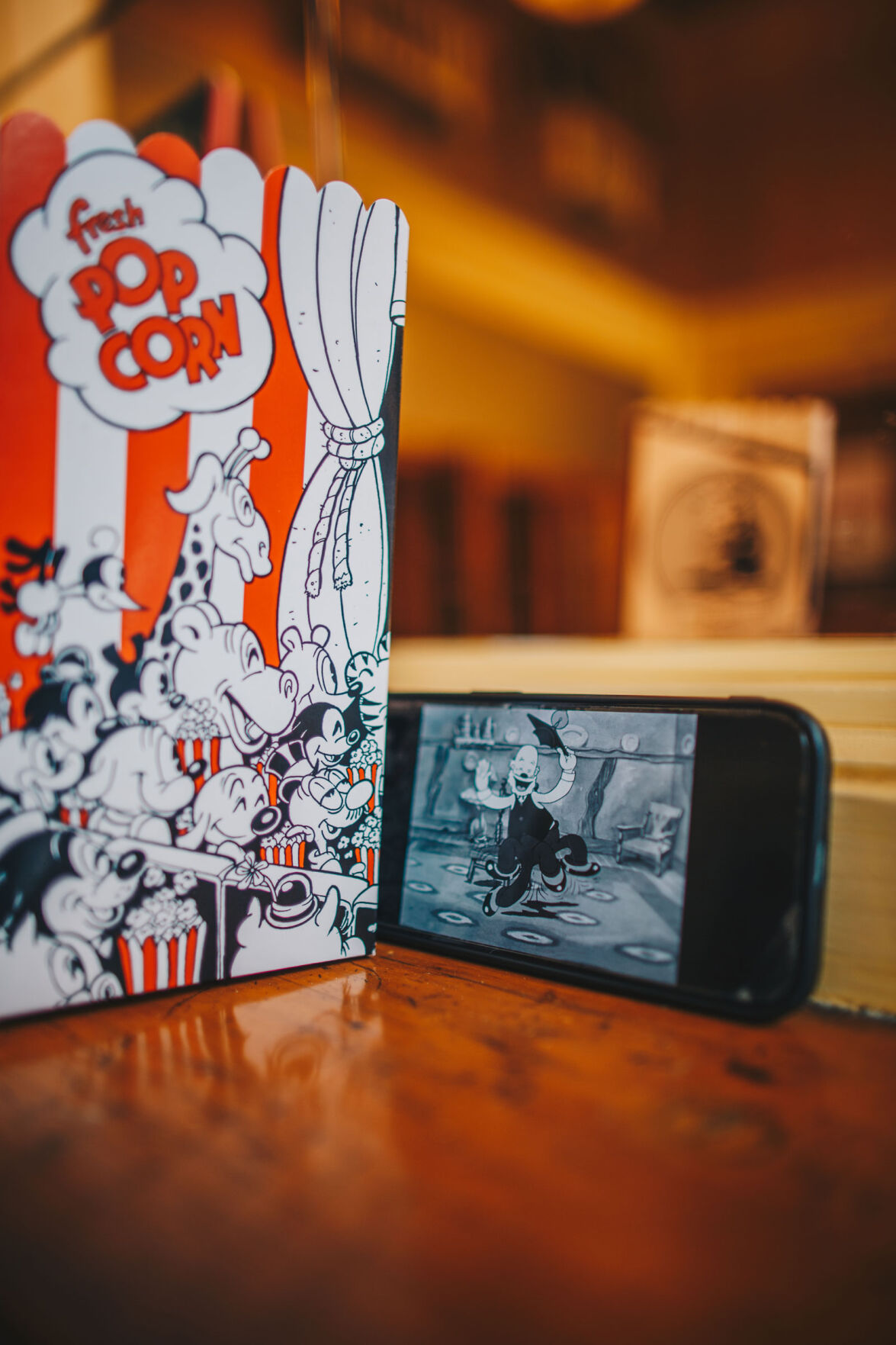
Sam Davis and Thad Komorowski are digitizing the collection and making them watchable again. This involves stabilization, colorization and re-adding the musical scores so people can fully appreciate the Golden Age of Animation on display.
“People deserve to see these the way they were meant to be seen, in their original glory,” Thad says.
“Our goal is to locate as many of the cartoons that still exist, scan them and restore them,” adds Jane. “We want to reassemble the entire Fleischer cartoon library. The films will ultimately be placed in archives, universities and other conservatories and be available to everyone.”
A genre for the ages
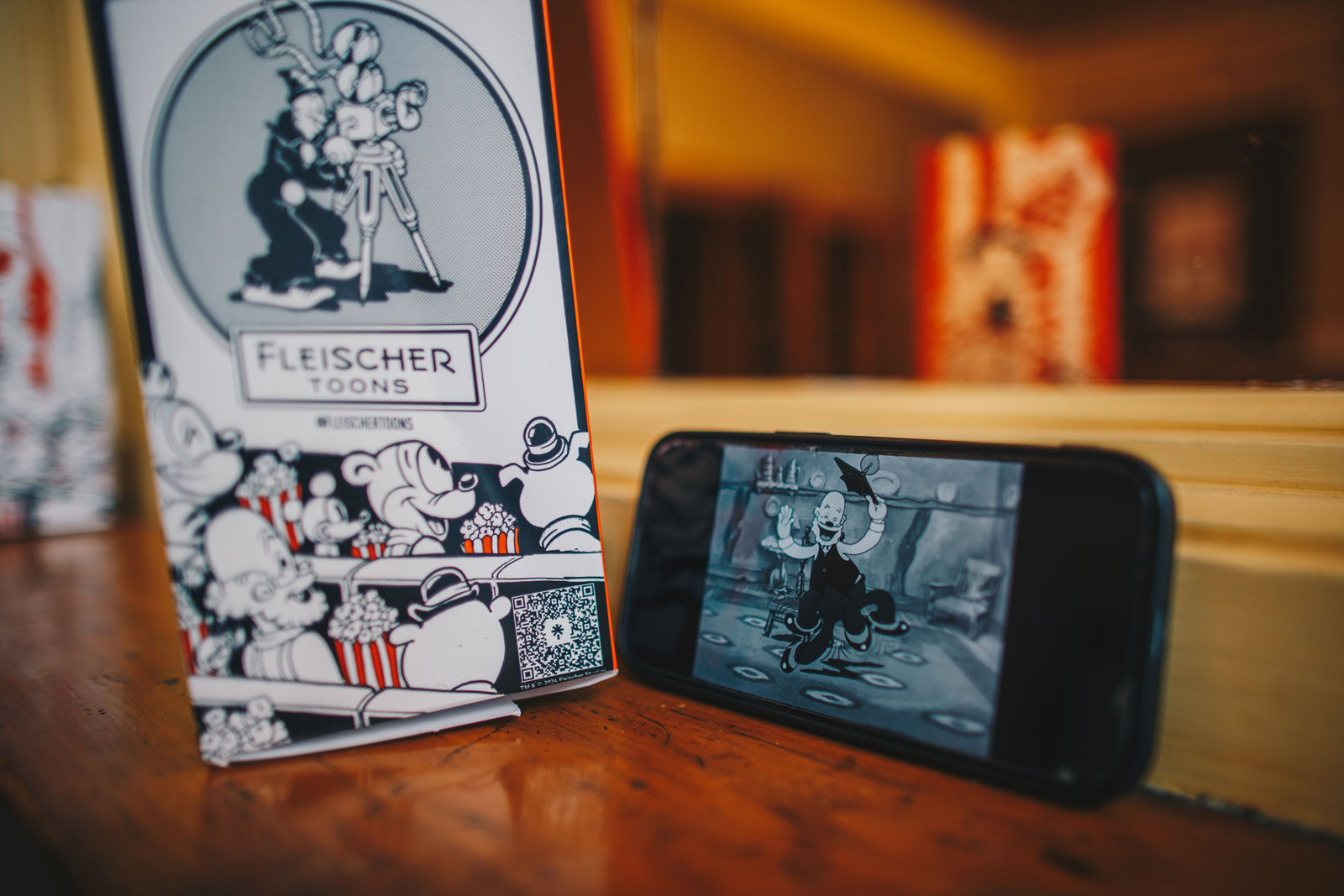
Not only are these cartoons technical marvels, they’re also genre defining.
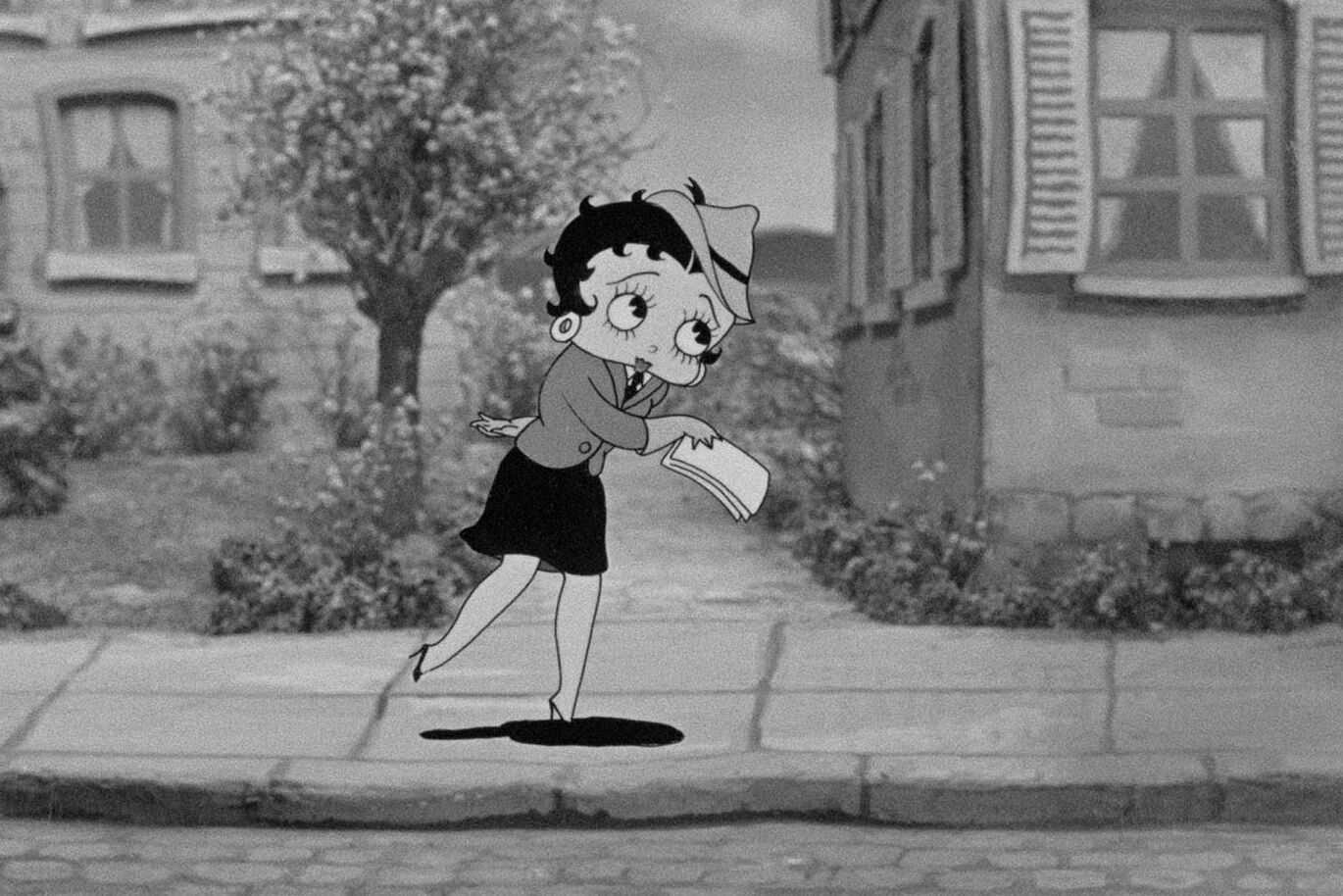
Fleischer cartoons established the “East Coast style of animation,” which is gritty with edgier characters in wacky scenarios, often set in an urban environment. Think Betty Boop in “Red Hot Mamma,” where our heroine falls asleep by a fireplace on a cold winter night and dreams that she’s in the underworld and Satan is trying to put the moves on her.
The Fleischers also frequently combined animated characters with live action footage, which eventually gave way to movies like “Space Jam.”
Their style was in direct opposition to Disney’s “West Coast style,” which was cleaner and more polished with cheerful characters and storylines.
“It's more real to life, and done more effectively, than any of the other American cartoons made in the 1930s,” says Thad. “This is why they still play extremely well today with audiences unfamiliar with them, because they fit right in with modern, bawdy cartoons like ‘Ren & Stimpy,’ ‘The Simpsons,’ ‘SpongeBob SquarePants,’ ‘Rick & Morty’ and ‘The Cuphead Show!’.”
However, today’s audiences almost didn’t get the chance to laugh along to this surprisingly familiar humor.
“There was a real concern that these might disintegrate forever and nobody would see them,” says Sam.
Luckily, we don’t have to think about that possibility. Thad, Sam and their small-but-mighty team have helped restore roughly 100 Fleischer toons and counting. Once complete, the animated shorts travel across the country and are shown at participating movie theaters, including Buffalo’s own North Park Theatre last September.
Everyone should get to know these characters, characters that seem like we’ve known them forever.
“You can’t go into a bingo hall without someone’s grandma wearing a Betty Boop shirt. There’s such a joy that Max’s cartoons still bring,” says Sam. “It would have been a travesty for us to lose them.”