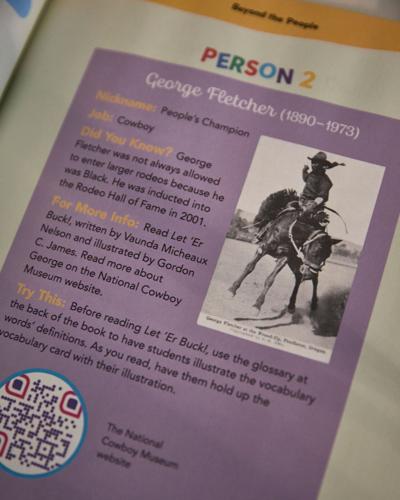
Bessie Coleman. Langston Hughes. George Fletcher.
What do these barrier-breakers have in common besides being pioneers in their fields (pilot, poet and cowboy, respectively)? They’re all Black. And that means in many classrooms around the country, students would only hear about them during Black History Month.
Dawnavyn James wants to change that.
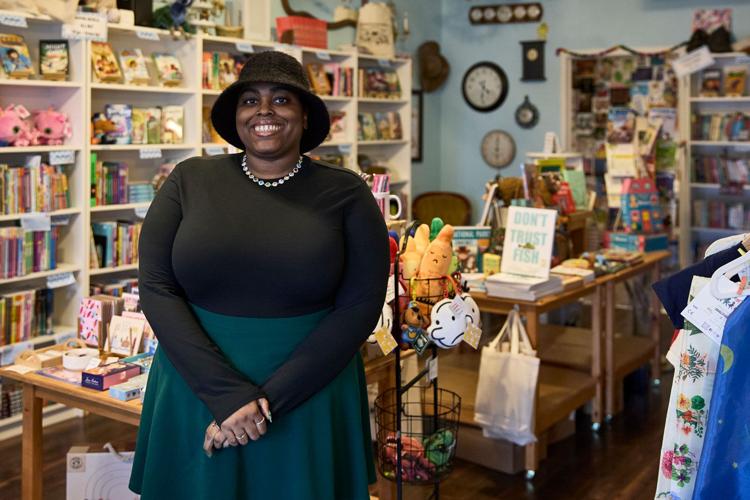
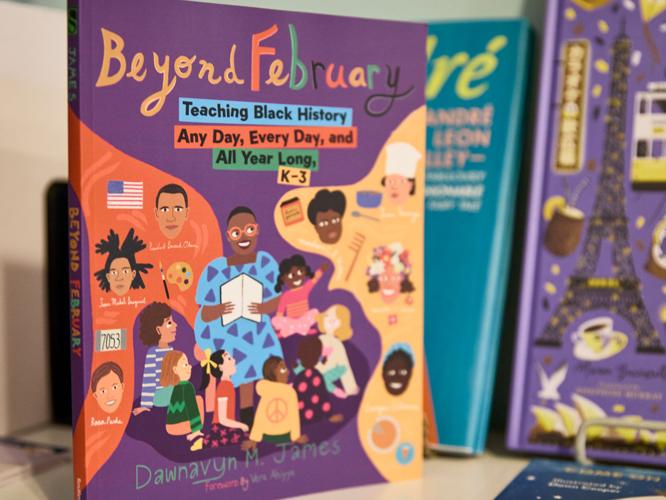
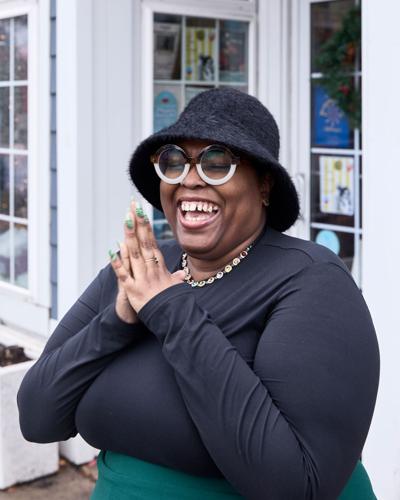
Currently a Ph.D. student and graduate fellow with the University at Buffalo’s Center for K-12 Black History and Racial Literacy Education, Dawnavyn is an educator, author and former elementary school teacher who wrote “Beyond February: Teaching Black History Any Day, Every Day, and All Year Long” in 2023.
People are also reading…
The book focuses on ways that teachers of young children can integrate Black stories and narratives into their lessons throughout the year and is full of guides, resources and age-appropriate picture book recommendations. The latter, she says, is an especially great entry point into exploring new and potentially challenging concepts.
“There’s a lot of teachers that say they don’t have the knowledge to teach Black history. They’re afraid they’re going to say the wrong thing,” she explains. “And I’m trying to get them to see like you could read a book—really well-written, well-researched books, specifically for children … A lot of these books have activities and discussion questions in the back. So, all you really need is the book.”
An idea is born

The kernel for what would become “Beyond February” emerged while Dawnavyn was teaching in an elementary school while still a student at Stephens College in Missouri. In the course of her work, she noticed that the curriculum was very, well, white.
“The majority of the students and their families were white, all the teachers were white and as an observer, I’m like, they don’t teach a lot about other people, specifically about Black people,” she says.
So when she was tasked with developing a four-week unit for third and fourth graders on a topic that could be taught across all content areas, she chose the Harlem Renaissance.
“It went really well,” Dawnavyn says. “So once I experienced that and taught it … I was like, ‘If I can teach one part of Black history for a month to a bunch of kids all day long, I know I can integrate it.”
After she got a job at a public school teaching kindergarten, the same issue reared its head.
“There were voices missing … it was a lot of people who didn’t look or sound like my students,” she says.
She realized she could use picture books telling stories featuring Black characters and highlighting Black achievers while still following the curriculum guidelines. Amplifying marginalized voices didn’t have to come at a cost—the books still met the public school standards with the bonus of sparking interest and advocacy with her students.
Love for young learners
Dawnavyn’s time as a kindergarten teacher coincided with the height of the Covid pandemic, meaning she was trying to teach 20 5-year-olds via Zoom. Chaos ensued most days—but so did learning.

“I was posting clips of me teaching my kindergartners on Zoom, and I would post them on TikTok, just because a lot of people were saying that teachers weren’t teaching and I’m like, this is actually hard!” Dawnavyn laughs.
The clips showed her explaining different concepts and reading books to her students—the kids were audio only—and some of the creative and silly ways she tried to engage them through the screen. Her now-publisher, Stenhouse Publishers, took notice and asked her to blog about her experience, which in turn led to other media opportunities and finally, the book deal.
Though she’s now focused on teaching future educators at the graduate degree level, Dawnavyn says kindergarteners—along with their energy and openness to learning—will always have a special place in her heart.
“They are very honest, and I really love how they think. So many people, especially when I talk about teaching Black history and certain topics to kindergartners, are like, ‘Oh, I can’t believe you did that,’” she says. “And I’m like, ‘But they are really smart, and they understand how people should and shouldn’t be treated because they’re learning that—they’re learning between right and wrong, and they understand a lot of different concepts.’”
Committed to the cause

"Beyond February" includes "Powerful People" sets: groups of Black historical figures organized by theme with resources for both teacher and student learning.
Feedback to “Beyond February” has been overwhelmingly positive, even in these politically fraught times. Even with DEI (diversity, equity and inclusion) initiatives on the chopping block at many institutions and businesses, Dawnavyn says she hasn’t heard any pushback to her book or its subject matter.
In fact, it’s being utilized in ways she never expected, from being a required text in college social studies courses to being purchased by school districts for their K-3 teachers. She prioritized writing it in her own voice and keeping it approachable, which seems to be a selling point.
“I’ve heard that it’s just been helpful because I’m not trying to use big language. It’s just ‘this is what it was,’” she says. “I’m just telling my story and just hoping people can accept it and hear it.”
Black History for Kids 101
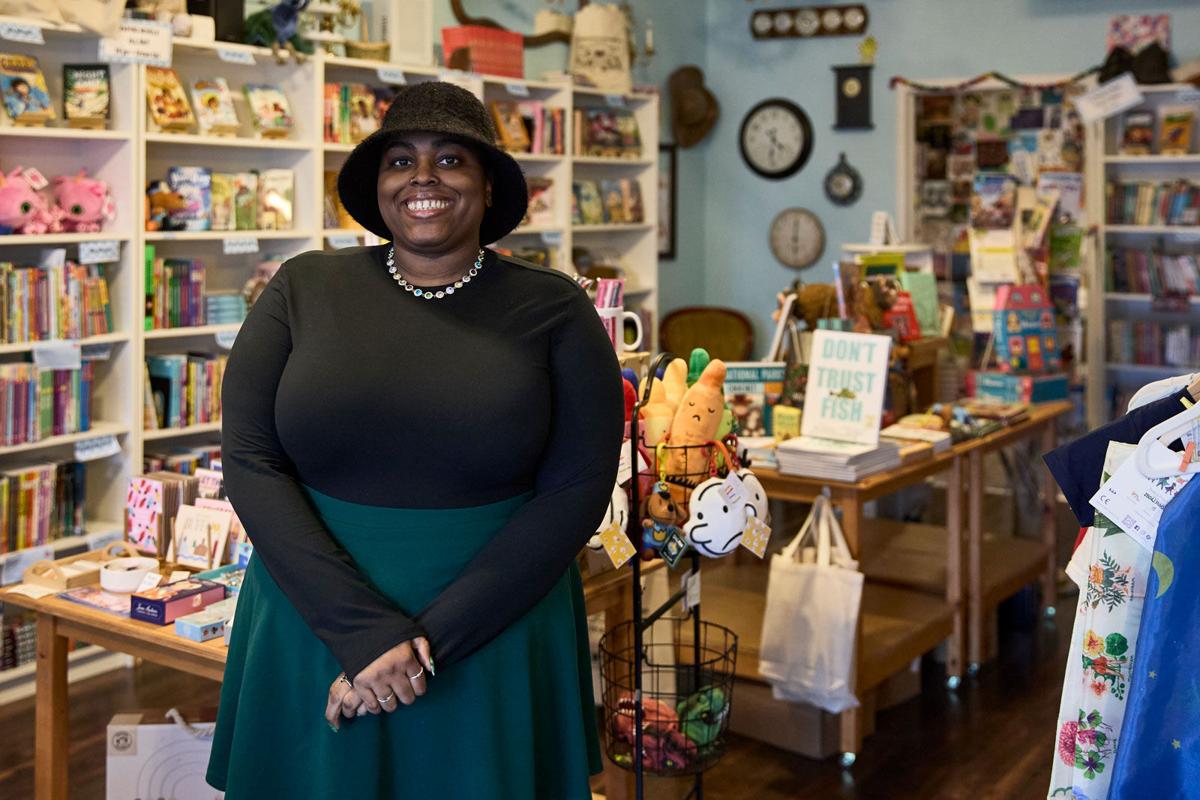
Looking to diversify the bookshelves of a child in your life or donate some titles to an organization in your neighborhood? Here are Dawnavyn’s top five picks. Find them at a local bookstore (such as Alice, Ever After Books in North Buffalo, her personal favorite) or a library near you.
- ABCs of Black History, by Rio Cortez and Lauren Semmer
- The Power of Her Pen: The Story of Groundbreaking Journalist Ethel L. Payne, by Lesa Cline-Ransome and John Parra
- Crown: An Ode to the Fresh Cut, by Derrick Barnes and Gordon C. James
- Before the Ships: The Birth of Black Excellence, by Maisha Oso and Candice Bradley
- An American Story, by Kwame Alexander and Dare Coulter