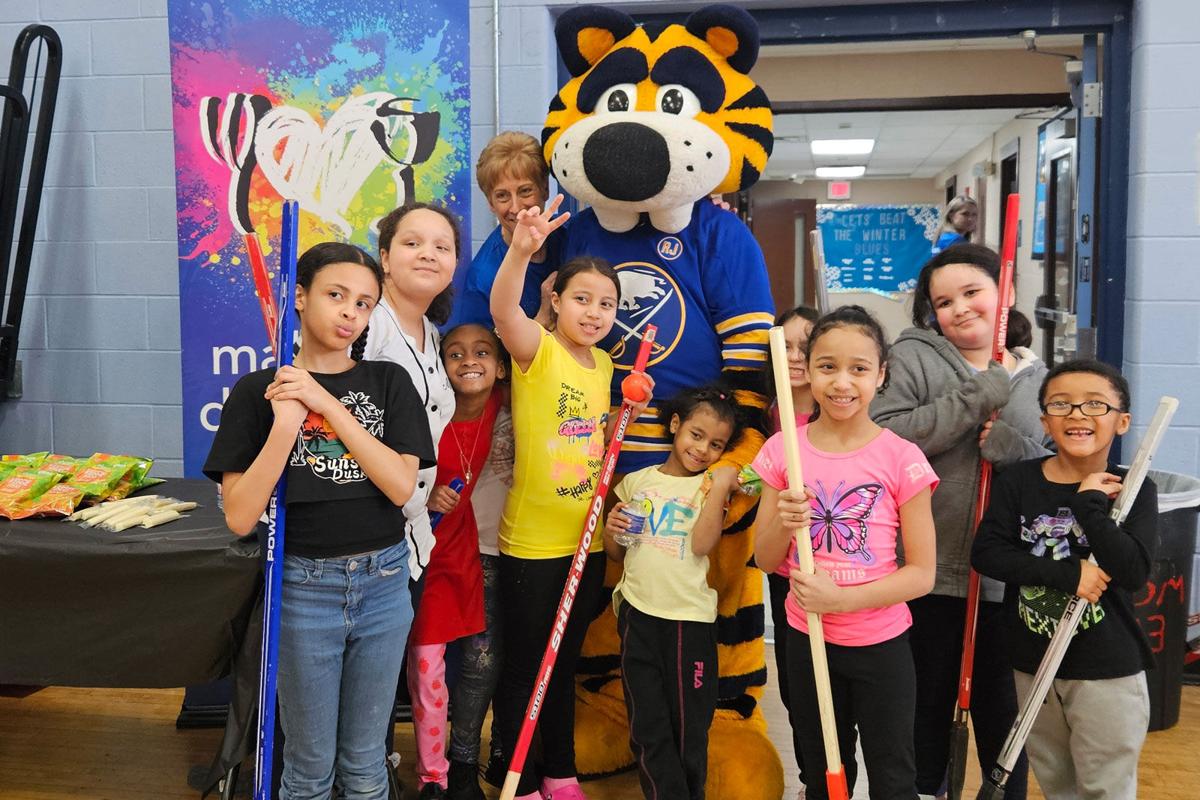
Kids want to play. Better yet? It’s good for them.
Over and over, research from sources like UNICEF, Harvard Medicine and the American Academy of Pediatrics shows that children benefit from engaging in free play. Non-instructional, self-directed play allows kids to figure things out, socialize and have fun without the constraints of organized teams and leagues.

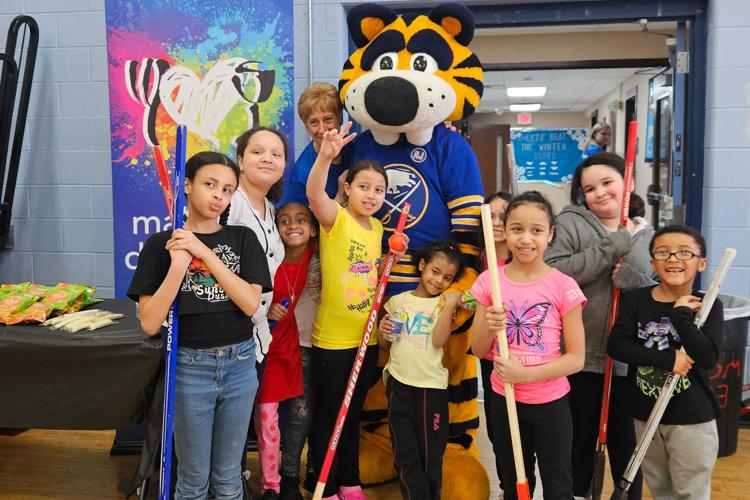
That’s why Project Play Western New York collaborates with community organizations to offer its Free Play Series at no cost to parents. During summer and winter school breaks, kids can enjoy free play at locations like The Belle Center on Buffalo’s West Side, Explore & More Children’s Museum downtown, the Lockport Ice Arena and Sports Center, the Rural Outreach Center in East Aurora..
“We really want a society where we have kids that are happy, families that are healthy and a strong community overall,” explains Antwan Barlow, director of Project Play WNY. “When kids have something to do, that’s a springboard, a catalyst.”
People are also reading…
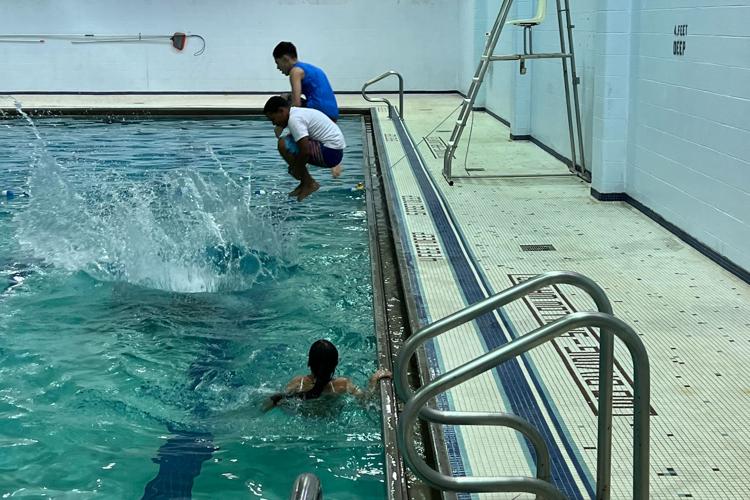
Project Play WNY is a nonprofit initiative supported by the Ralph C. Wilson Jr. Foundation as part of the foundation’s focus on youth sports and recreation. In recent years, Project Play WNY has made grants for softball, baseball and t-ball leagues and clinics in the area, offered free swimming lessons and provided programming for youth coaches.
“They’re not just funders; they really go out and do their research on what the needs are for the community,” says Lucy A. Candelario, executive director of The Belle Center.
Project Play WNY holds an annual day of networking and discussions with non-profit leaders, coaches, parents and others involved in youth sports. Findings from a partner organization, the Aspen Institute’s Sports & Society Program, also inform Antwan and his colleagues as they develop programs. The research uncovered many barriers to unstructured, child-driven play.

“There was a lack of free play opportunities throughout Western New York for kids, and a lot of reasons for that,” Antwan says. “Sports are becoming incredibly specialized at early ages. The community at large is focusing more on organized sports and travel sports, which are still good opportunities for families. But if we want to have recreation available to everyone, regardless of income and ability, you have to actually make those spaces available.”
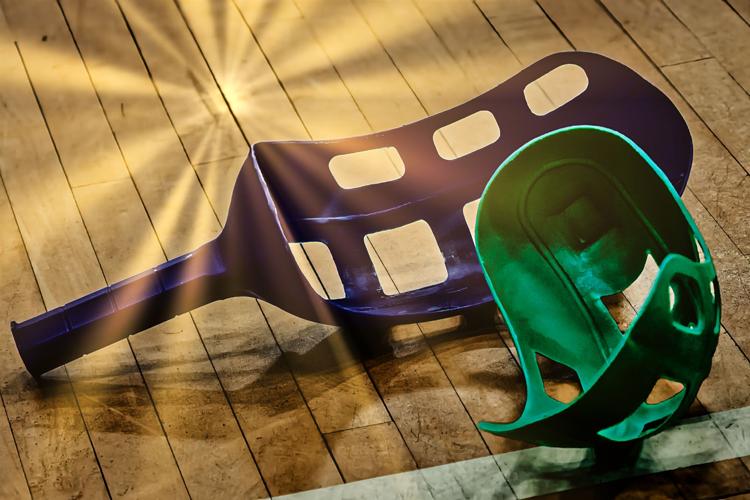
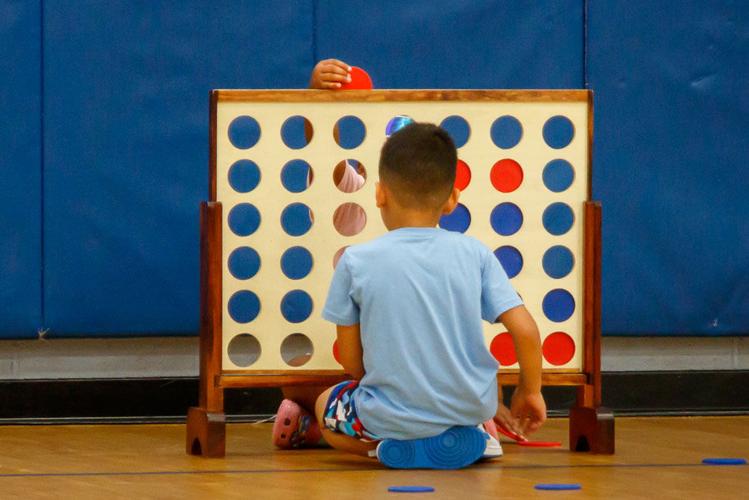
From hula-hooping to shooting hoops, the Free Play series lets kids have fun, develop social skills and stay active in safe environments. At the same time, children can build positive habits and a love of physical recreation that’s not tied to one or two specific sports.
“Sometimes we need that structured activity where parents take kids in for a specific program, whether it’s basketball or football or whatever the case may be, but people forget all the high energy that kids have,” says Lucy. “You have to have a release, not only physical activity.”